


From Vaasa, Finland, I had the chance to witness ABB’s strategy to advance low voltage motors: combining energy efficiency, digitalization, and sustainability to meet global industrial challenges.

Visiting ABB Motion’s Vaasa production facility in Finland offered a unique perspective on how
one of the world’s leading industrial groups is aligning innovation, efficiency, and sustainability.
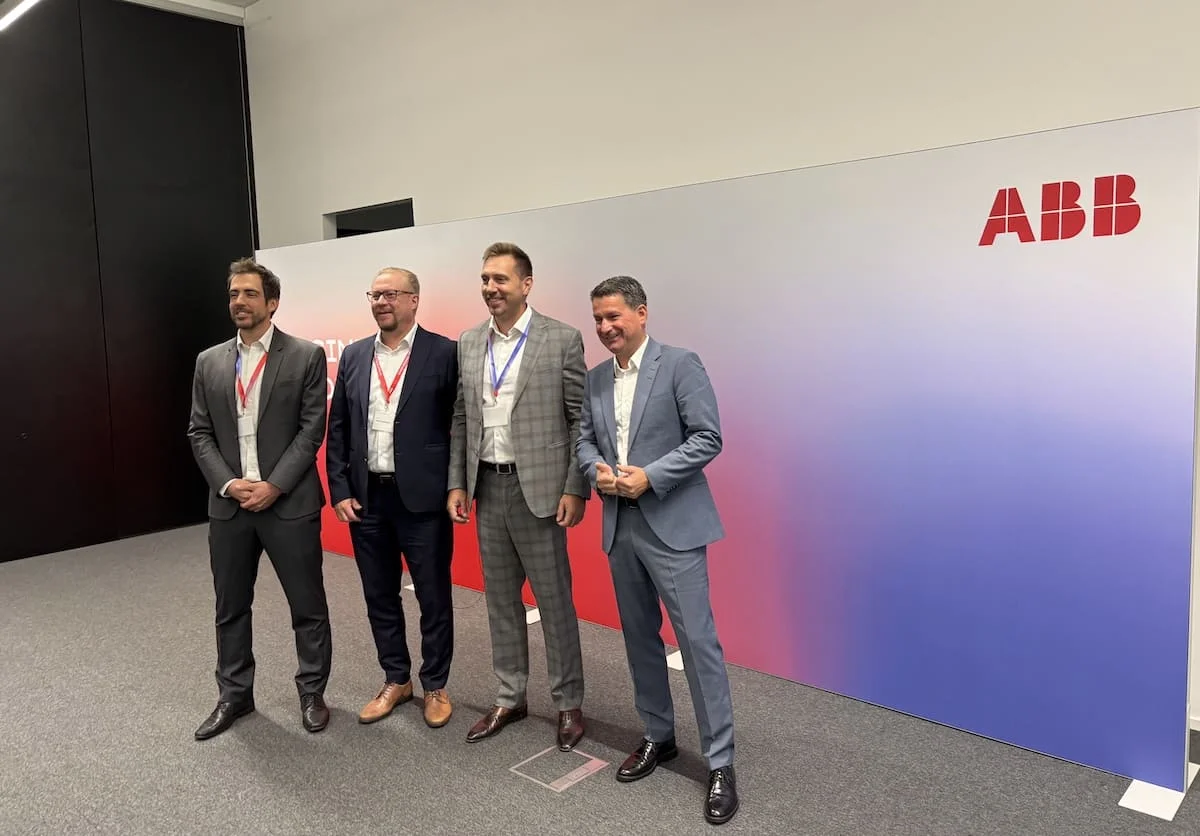
The media trip gathered insights from senior executives and plant managers, highlighting both
the technological frontier and the strategic vision that guide ABB’s work.
As General Manager at Rinnovabili, this gives me hope, observing how a giant company as ABB is leading by example bringing to the market solutions that can both improve the energy efficiency, help customers meet net zero standards and provide a cleaner future to our planet thanks to an obsessive attention to details in terms of decarbonization and circular economy.
In fact, to achieve the 1.5 °C target of the Paris Agreement, CO2 emissions must decline by 45% by 2030, reaching net zero by 2050. Electric motors use 45% of global electricity, representing the greatest opportunity to cut electricity consumption and reduce emissions. In general, I was highly impressed by the passion, culture and purpose showed by these company leaders all focused on decarbonizing industries and fight climate change.
Stefan Floeck, Division President of IEC Motors, set the context: “We enable a more sustainable
and resource-efficient future with our technology leadership in electrification and automation.”
The scale behind this ambition is impressive: over 110,000 employees, €33.7 billion in revenues,
€1.5 billion invested every year in R&D, and a strong commitment to diversity, with more than
21% of leadership positions held by women. But the real point, he stressed, is purpose—placing
energy efficiency at the center of ABB’s mission to fight climate change while offering
customers performance, quality, reliability, and flexibility.
Energy efficiency as a lever for competitiveness
ABB executives consistently emphasized the central role of efficiency in today’s industrial and
climate context. Ivor Vidjen, Head of Strategy & Business Development, highlighted the
urgency: “Last year was the hottest in recorded history, 1.6 °C above pre-industrial levels. We
have to double down on energy efficiency to ensure we remain below the 1.5 °C threshold.”
He explained that motors already account for 45% of global electricity use.
Replacing aged and inefficient models represents one of the largest untapped opportunities to reduce industrial emissions. For ABB, the goal is to help clients future-proof their businesses: boosting productivity, cutting costs, and maintaining competitiveness in a decarbonizing world.


From SynRM innovation to proven case studies
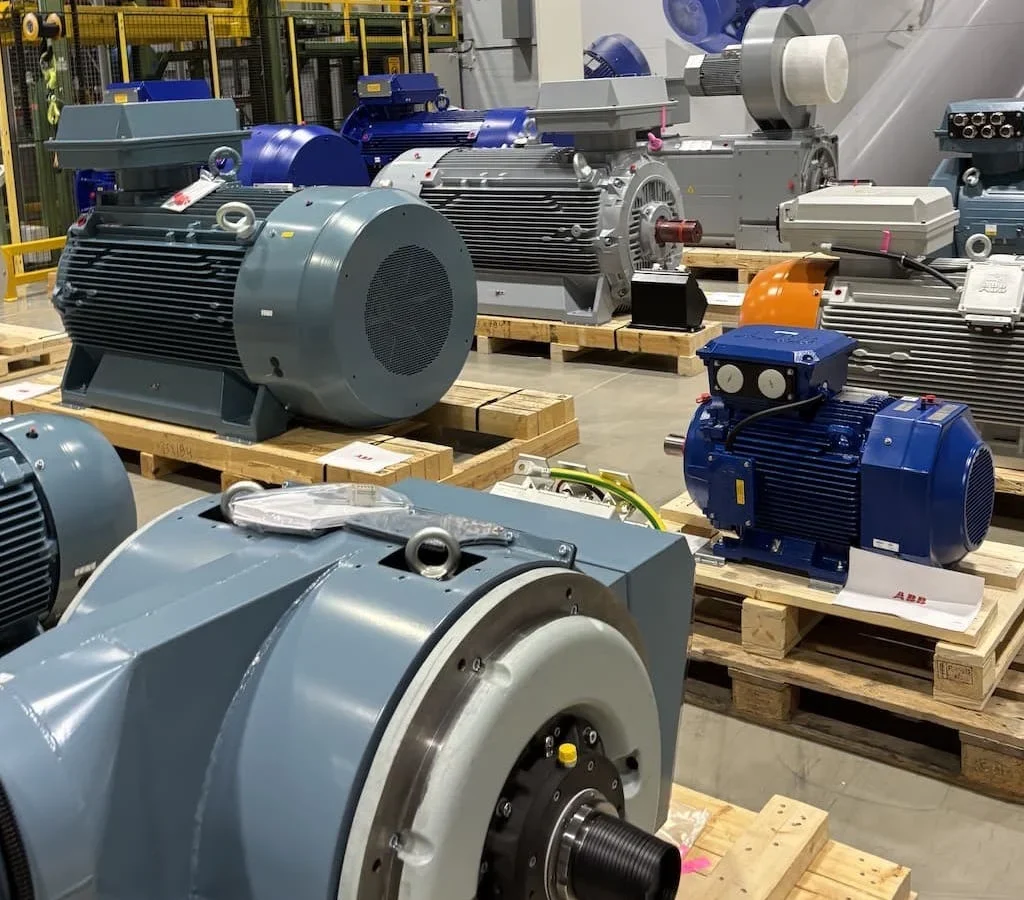
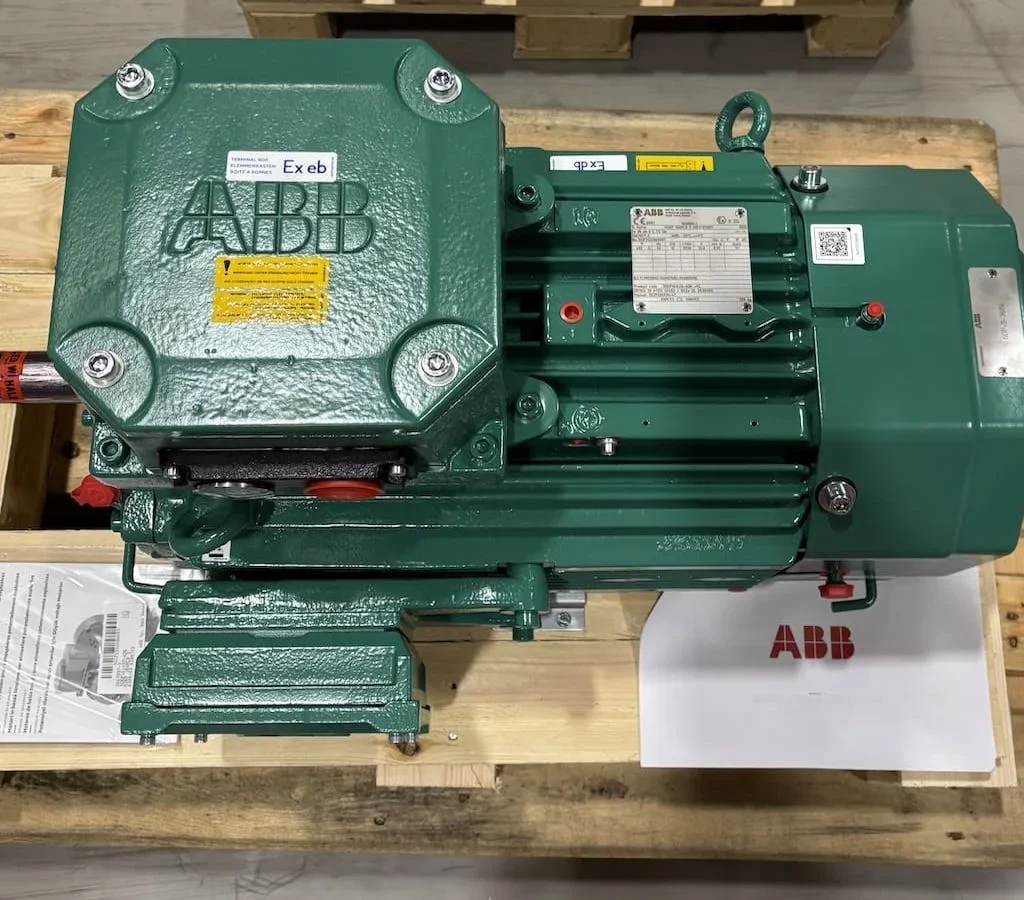
Technology plays a central role in this strategy. Daniel Eberli, Business Line Manager, described
ABB’s ultra-premium SynRM platform: magnet-free rotors, easy maintenance, 40% fewer
energy losses, and no rare earth metals. “Energy efficiency is in our DNA,” he noted, underlining how SynRM motors are not only more efficient but also more sustainable across the supply
chain.
Concrete examples demonstrated the impact: Aurubis, Europe’s largest copper producer,
replaced 460 motors with IE4 and IE5 ABB models, significantly cutting energy use and
emissions. At the Hobart Aquatic Center in Australia, the installation of 19 SynRM motors with
drives and 25 smart sensors led to annual savings of AU$36,000, reduced emissions by 77 tons
of CO₂, and cut electricity use by 18%.
ABB is also looking ahead. With IE5 and IE6 motors already on the market, the company is
pushing standards beyond compliance, integrating smart sensors to provide real-time data on
performance and predictive maintenance.
Vaasa: industrial tradition meets sustainability
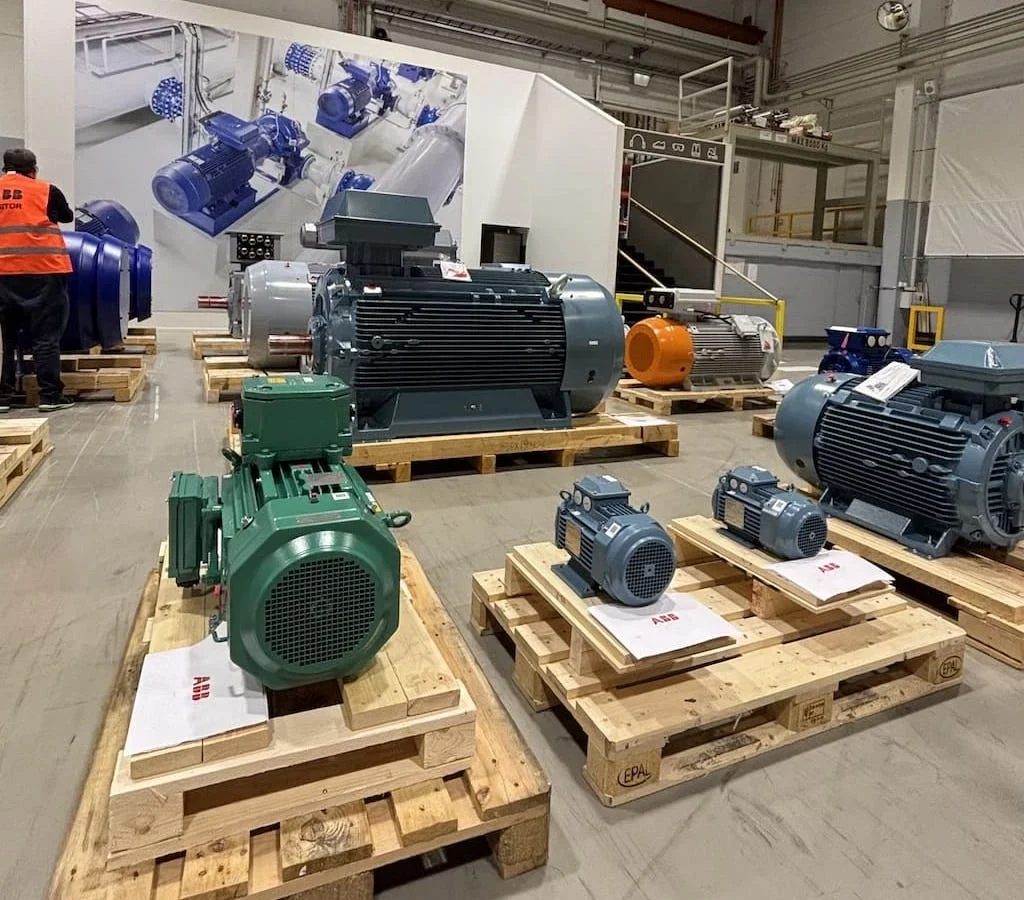
The Vaasa plant itself illustrates ABB’s dual commitment to technology and responsibility.
Established in 1940, it now covers 36,000 square meters, employs 700 people, and produces
125,000 motors annually. More than 90% of its output is engineered to customer specifications,
with one in three units being unique.
Harry Mykkanen, Regional Hub Manager, underscored the importance of flexibility: “Over 90%
of the motors we manufacture are tailored to client needs. This is engineering in direct dialogue
with the customer.”
The site is also a showcase for sustainable operations. ABB’s own technologies allow the facility
to save 15,000 MWh and avoid 65,000 tons of CO₂ each year. Local transportation—both light
and heavy—has been fully electrified. Waste management and circularity initiatives further
reinforce the plant’s role as a living example of ABB’s values.
Looking forward
ABB’s roadmap is clear: continue pushing efficiency standards, scale circular economy models
such as motor trade-in and copper recycling programs, and prepare for future benchmarks like
IE7. As one manager reminded us: “Changing just one motor can make the difference.” Applied
at global scale, that principle could transform industrial energy use.
At the same time, ABB invests in people. Openness, technical depth, and the ability to connect
engineering with business vision are qualities the company actively seeks in the next generation
of professionals. It is a reminder that the energy transition is as much about culture and skills as
it is about technology.


