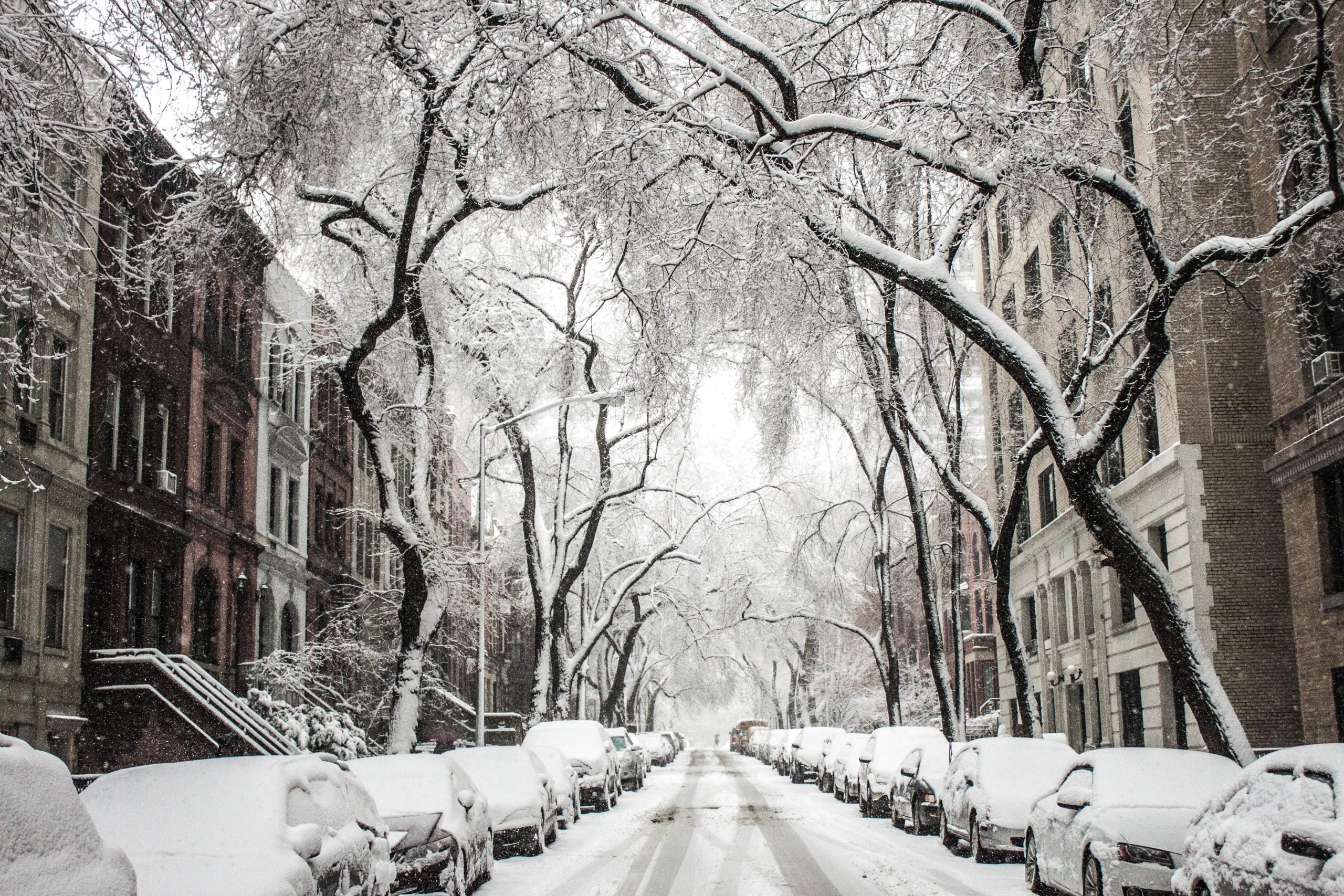
U.S. grid resilience was tested this week as a blizzard buried much of the Northeast, leaving some of the highest snowfall totals in decades across several states. In Central Park, nearly 20 inches fell, the ninth-highest total on record. On Long Island, Islip recorded 31 inches. Providence, Rhode Island, reported 33 inches by midafternoon Monday, with an unofficial 37.9 inches at T.F. Green International Airport.
The storm caused widespread disruption. More than 350 vehicles were stranded on icy roads in Massachusetts. In Providence, city plows were knocked out of service for several hours. At the peak, more than half a million homes and businesses across the Northeast lost power, including nearly 300,000 in Massachusetts and approximately 100,000 in New Jersey, according to PowerOutage.us.
Wet, heavy snow and strong winds snapped tree limbs and weighed on overhead lines. On Cape Cod, more than 85 percent of customers remained without power Monday night.
In New York City, schools remained open on Tuesday. Mayor Zohran Mamdani announced a temporary pay increase for emergency shovelers, raising hourly wages to $30. The snowfall, while significant, did not produce prolonged citywide outages in the five boroughs. Even so, storms of this scale place sustained pressure on electric systems.
Cold weather increases electricity demand. Heating systems draw more power. Commercial buildings maintain interior loads. Grid operators must balance supply and demand in real time. During sharp demand spikes, higher-cost generation can enter the dispatch stack to maintain system stability.
The financial effect of those short-term decisions depends on market structure. In organized wholesale markets, such as the one serving New York and much of the Northeast, prices reflect the marginal cost of generation at a given moment. If demand surges and supply tightens, clearing prices can move quickly.
Whether that movement reaches consumers depends on regulatory design. Utilities recover procurement costs differently. Some smooth volatility over time. Others pass through fuel or supply adjustments in subsequent billing cycles.
Research published in EOS has examined how U.S. power grids perform under increasing weather stress. The analysis concludes that much of the country’s infrastructure was built around historical weather patterns that no longer reflect present conditions. Transmission corridors, substation equipment, and distribution systems were engineered with specific temperature ranges and event frequencies in mind.
That does not mean the system is failing. It means margins narrow when events exceed historical assumptions.
The 2021 winter storm in Texas remains the clearest example of what happens when extreme cold intersects with generation outages and fuel constraints. Market prices rose to their cap. Large portions of the state lost power for extended periods. The Northeast operates under a different market and regulatory framework, with stronger interconnections and established capacity mechanisms. Still, the underlying dynamic is similar. Severe weather compresses operational flexibility.
Physical exposure remains a factor. Much of the Northeast relies on overhead distribution lines. Heavy snow and ice increase the risk of line damage and fallen trees. Restoration becomes slower when roads are blocked, and access is limited. Utilities can harden infrastructure through vegetation management, automation, and, in some cases, undergrounding. Each approach carries capital costs.
Investment decisions feed directly into rates. Regulated utilities earn returns on approved capital expenditures. Grid modernization improves resilience but increases the rate base. Underinvestment can reduce short-term costs but increase exposure to outage risk and emergency procurement.
The storm this week did not produce a systemic failure in New York. It did produce measurable stress across the region. Wholesale markets tightened during peak load periods. Utilities deployed crews at scale. State officials restricted travel in parts of Massachusetts to allow restoration work to proceed. Gov. Maura Healey urged residents to stay home so that line crews could restore service safely.
Electricity pricing is shaped by fuel costs, capital investment, market design, and regulatory oversight. Extreme weather interacts with each of those variables. A single storm rarely determines annual rate trajectories. Repeated stress events change planning assumptions.
Snow totals are visible. Market settlements and rate adjustments are not. As winter storms grow more frequent and intense, resilience planning moves from a long-term consideration to an operational one.
The Northeast avoided a prolonged grid breakdown this time. The broader question is how often systems will be tested at this scale, and how those tests translate into long-term cost structures for utilities and consumers.