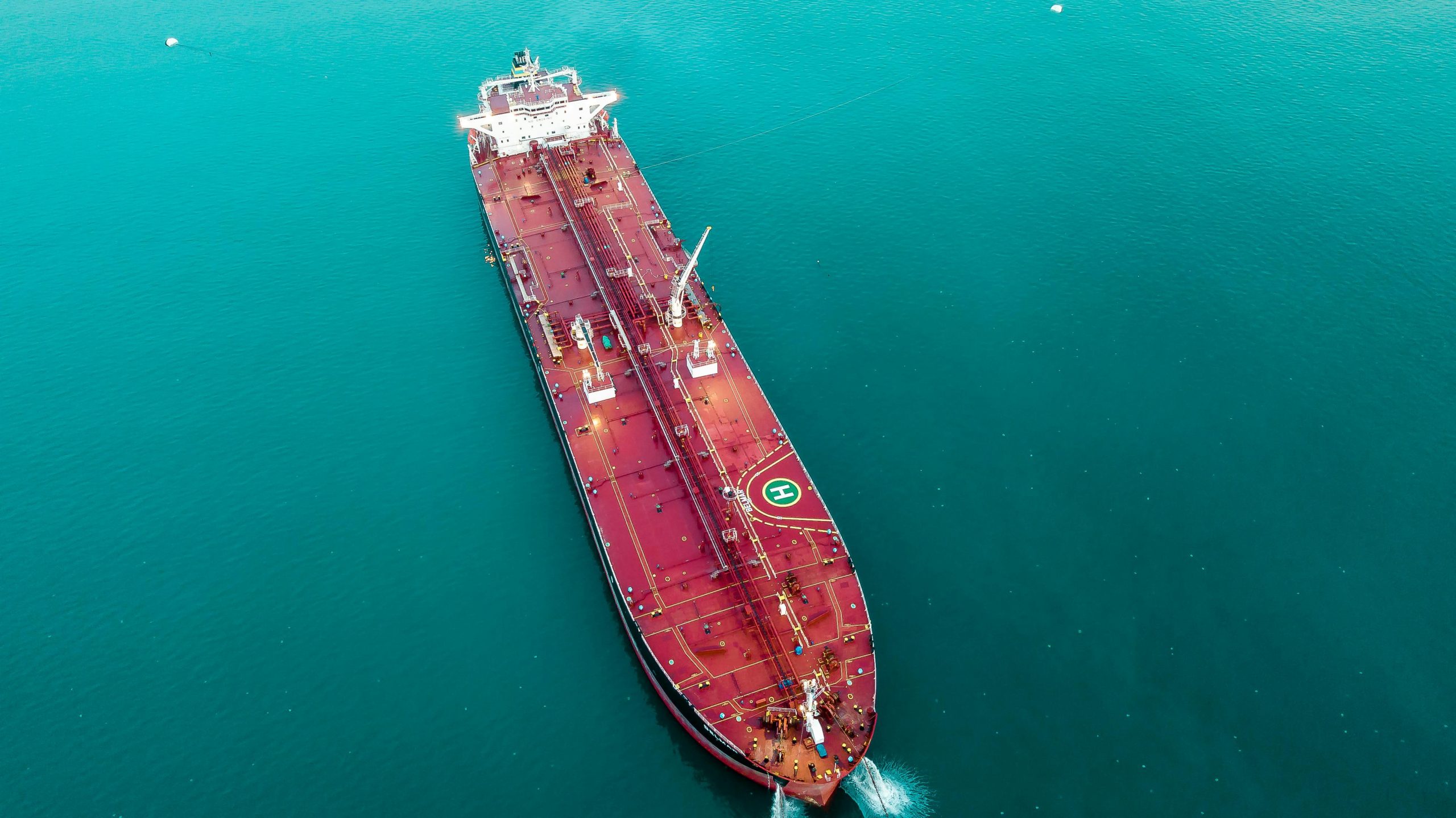
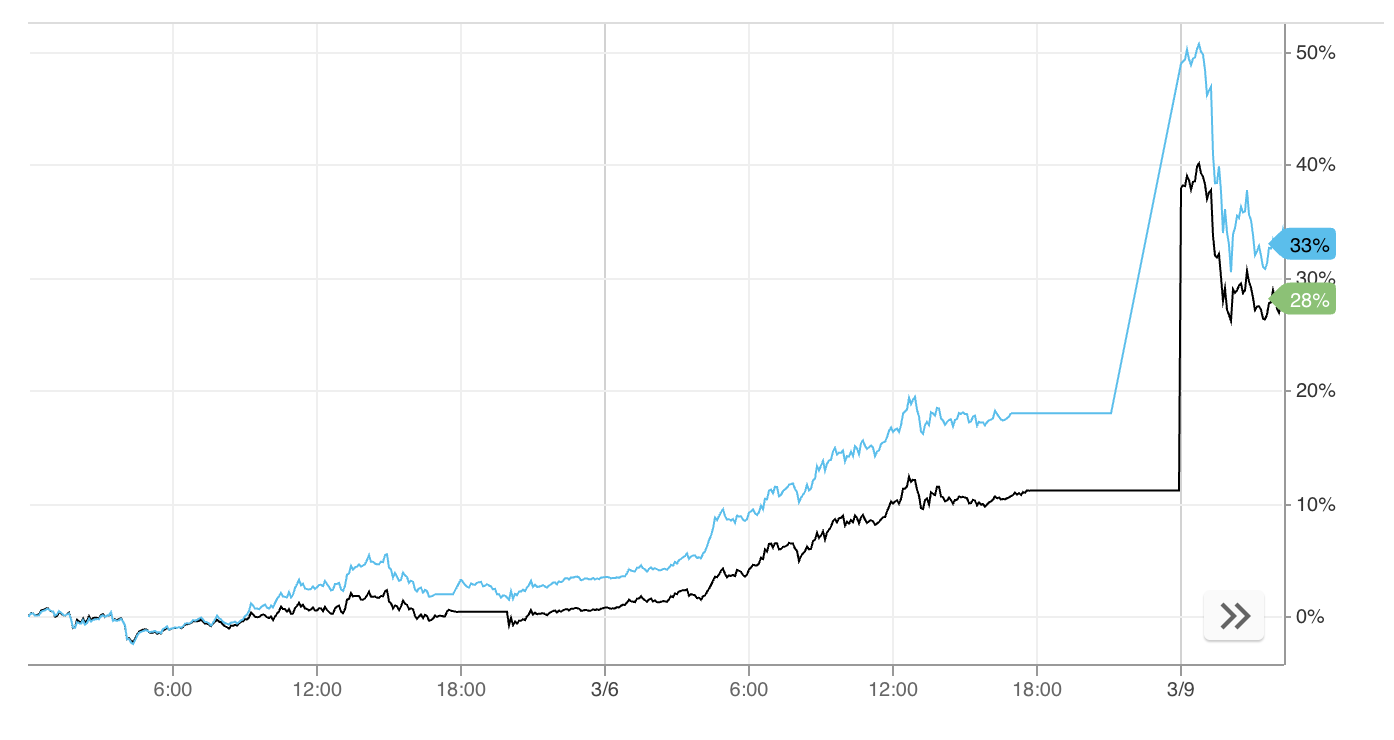
Oil prices briefly surged above $100 per barrel Monday for the first time since 2022, as escalating conflict near the Strait of Hormuz raised fears of supply disruptions.
According to CNN and CNBC, Brent crude climbed above the triple-digit threshold during trading, peaking near $119 per barrel before retreating later in the session. The spike marked the highest level in nearly three years and reflected growing concerns that disruptions in the Gulf could affect global oil supply.
Attacks on commercial vessels intensify near the Strait
The surge came as attacks on commercial shipping intensified near the Strait of Hormuz. On Wednesday, another commercial vessel was struck by a projectile near the waterway, bringing the total number of vessels targeted to 13, according to an advisory from UK Maritime Trade Operations cited by multiple outlets.
Earlier incidents included a cargo vessel that caught fire after being hit, with the blaze later extinguished. Authorities said no environmental damage was reported, though the attacks have raised concerns about the safety of shipping in the region.
The Strait of Hormuz remains one of the world’s most critical energy chokepoints, with roughly 20–25% of global oil supply passing through the narrow waterway connecting Persian Gulf producers with international markets.
Oil markets react to conflict and political signals
Oil markets quickly reacted to the developments. Brent crude initially surged above $100 on Monday but fell sharply the following day after President Donald Trump suggested the conflict could end soon, easing some fears of prolonged supply disruption, according to Reuters and CNBC.
Despite the pullback, prices remain elevated compared with levels seen earlier this year. As of Wednesday morning trading, Brent crude was hovering around $91–$92 per barrel, reflecting continued volatility tied to events in the Gulf.
U.S. gasoline prices begin to climb
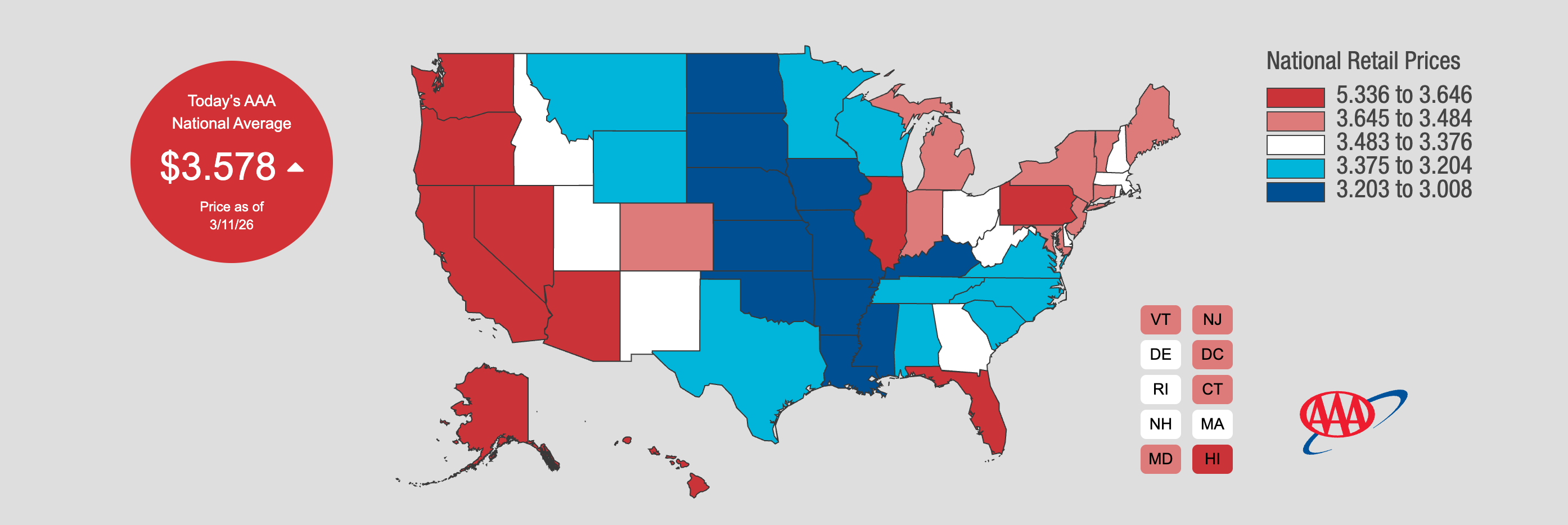
The surge in oil prices has also begun to ripple into U.S. fuel markets. According to AAA data, the national average price for gasoline has climbed to about $3.58 per gallon, rising over the past week as traders factor in the risk of supply disruptions in the Gulf.
Military activity increases around key oil transit route
Military activity around the Strait of Hormuz has also intensified. According to reporting from The Guardian, the U.S. military destroyed 16 Iranian vessels believed to be deploying naval mines near the waterway, after intelligence indicated that Tehran had begun placing mines in the shipping route.
Regional tensions have continued to rise. Iran’s Islamic Revolutionary Guard Corps said it had launched what it described as its most intense operations since the conflict began, while reports of interceptions and warning sirens were recorded across parts of Israel and the Gulf. Even as oil prices have retreated from Monday’s highs, ongoing attacks on commercial vessels and military activity near the Strait of Hormuz continue to threaten one of the world’s most important oil transit routes, leaving global energy markets closely watching developments in the Gulf.