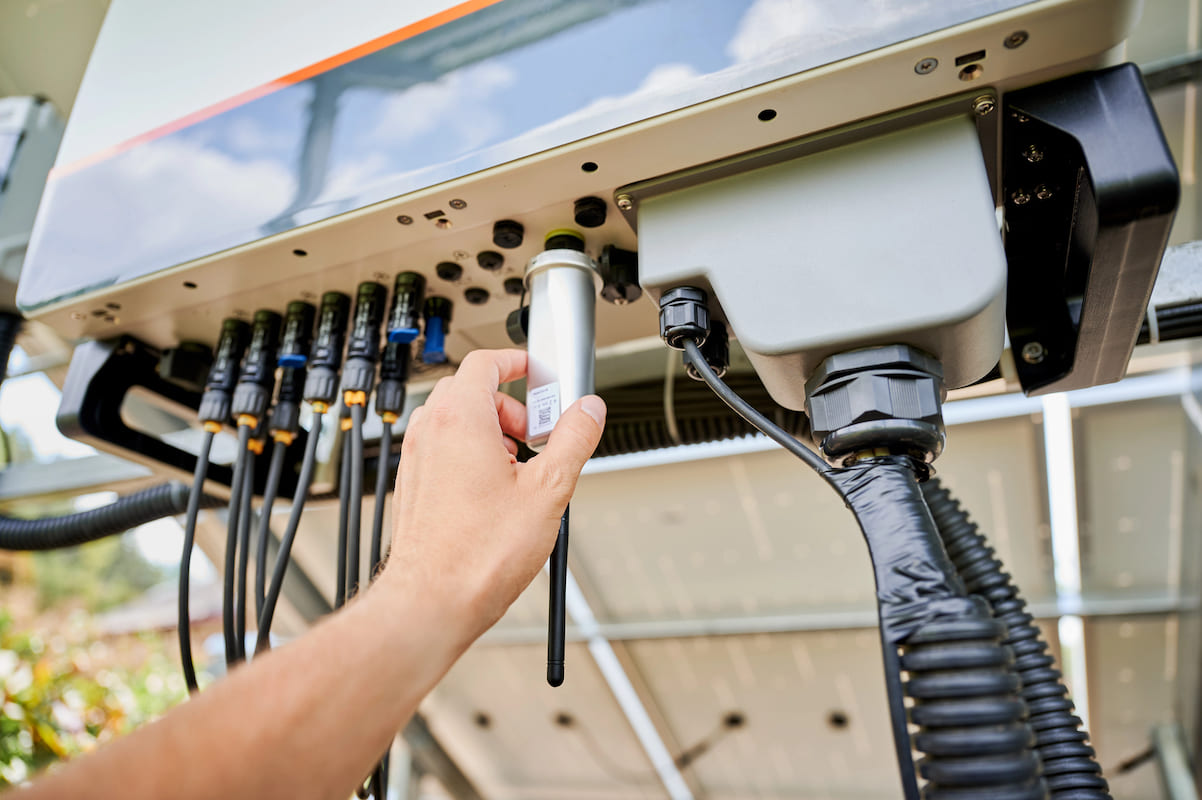
EU steps up scrutiny on high-risk solar inverters
The European Commission is preparing new guidelines to restrict the use of EU funds for projects involving photovoltaic inverters supplied by vendors considered high-risk for European security. This was confirmed by internal market spokesperson Siobhan McGarry in response to questions on the bloc’s protective measures and their implications for trade relations with China.
At the core of the issue lies a complex and increasingly sensitive concern. The European Union has identified concrete risks associated with the deployment of Chinese-made inverters, risks that could potentially affect the stability of the electricity system across Member States.
Europe’s dependence on foreign inverter technology
Reducing reliance on Chinese manufacturing, however, is far from straightforward. While Europe still hosts established inverter producers, its domestic industrial capacity currently meets only a limited share of demand.
In practice, around 70–80% of inverters used in European solar projects are imported from China, with the global market largely dominated by major Chinese companies. Their leadership is not only the result of competitive pricing strategies, but also of significant investments in research and development and early adoption of advanced digital technologies to optimise energy output.
The cybersecurity risks of solar inverters
What, then, is the underlying concern?
The full content is available at the following link: PREMIUM “Inverter da paesi “ad alto rischio”, l’UE conferma: esclusi da fondi UE“