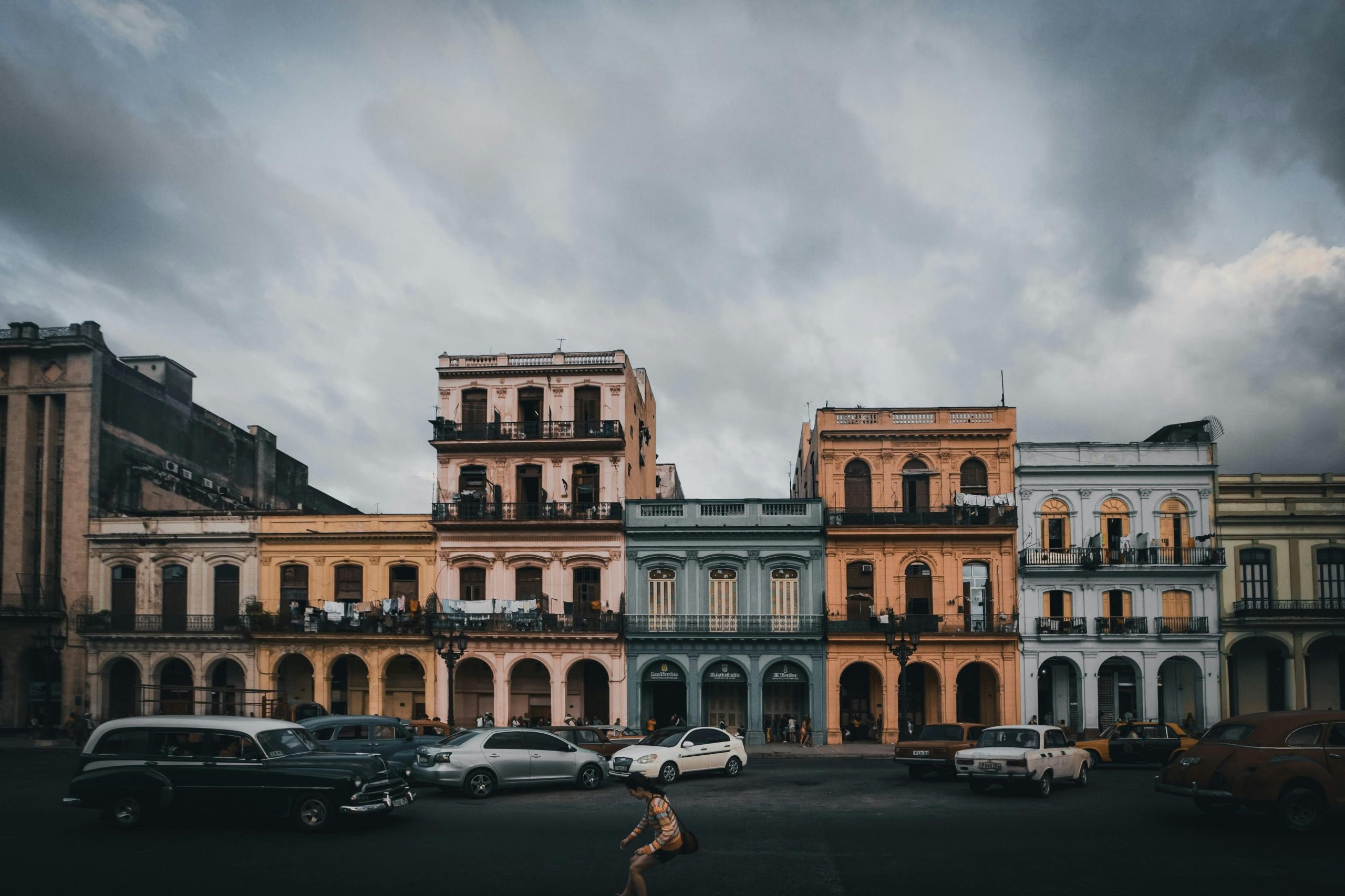
Cuba’s national electrical grid failed on March 16, leaving much of the island without power and exposing how little margin remains in the country’s energy system. Electricity has since returned in parts of the country, but service is uneven, and outages continue as authorities work to stabilize supply.
A system already stretched
What began as a localized issue quickly spread across the network. According to state utility UNE, the failure triggered a cascade that shut down the entire grid. Restoration has been cautious. Power is being brought back in segments rather than all at once, a sign of how unstable the system remains.
In the weeks leading up to the collapse, the gap between supply and demand had already widened. Available generation hovered around 1,100 to 1,200 MW, while peak demand approached 3,000 MW. That shortfall, close to 2,000 MW, left large portions of the country without electricity even before the outage. In some periods, more than half the island was offline.
Under those conditions, the grid was exposed. It did not take much for it to fail.
Fuel constraints limiting output
The structure of Cuba’s energy system leaves little room to adapt. Oil remains the dominant source of electricity, accounting for more than 80% of generation, with most power coming from thermal plants.
That model depends on steady fuel imports. Those imports have become less reliable. Recent reporting indicates that only limited shipments have reached the island so far in 2026, reducing how much capacity can actually be used.
The effect is visible in the numbers. Plants may exist on paper, but without fuel, they cannot run. Output falls, outages increase, and the system tightens further. By the time the grid failed in March, supply was already being rationed.
The shift away from Venezuelan supply
For years, Cuba’s position was supported by shipments from Venezuela. At times, those flows covered more than half of the island’s oil needs, often under favorable financial terms.
That arrangement has weakened. Venezuelan production has declined, and external pressure, particularly from U.S. sanctions, has complicated both supply and logistics. What once functioned as a steady input is now intermittent.
Replacing that volume is not straightforward. Fuel purchased on the open market comes at a higher cost, and access is not guaranteed. The result is a system operating with less fuel and less flexibility at the same time.
Infrastructure adds another constraint
Fuel is only part of the issue. The physical system itself is under strain. Much of the grid is decades old, and maintenance has been uneven. Thermal units are frequently offline, either due to mechanical issues or a lack of inputs.
The network is also highly centralized. That design simplifies distribution under normal conditions, but it carries risk. When a major component fails, the disruption does not stay contained. It spreads.
Losses across the system further reduce usable supply, tightening an already narrow margin.
Restoration without full recovery
Electricity has started to return, including in parts of Havana, but availability varies by region. Some areas have stabilized. Others continue to cycle through outages.
The approach to restoration reflects the limits in place. Bringing the grid back too quickly could trigger another collapse, so the process remains controlled. Even where power has been restored, supply does not consistently meet demand.
In practice, that means the grid is functioning, but not fully.
An imbalance that remains unresolved
The Cuba grid collapse in March marked a breakdown, but not a turning point. The conditions behind it: reduced fuel supply, aging infrastructure, and a persistent gap between generation and demand, have not changed. As long as that gap remains, the system will continue to operate under pressure. Stability, in this context, is temporary. The collapse made that visible, but the underlying imbalance has been building for some time.