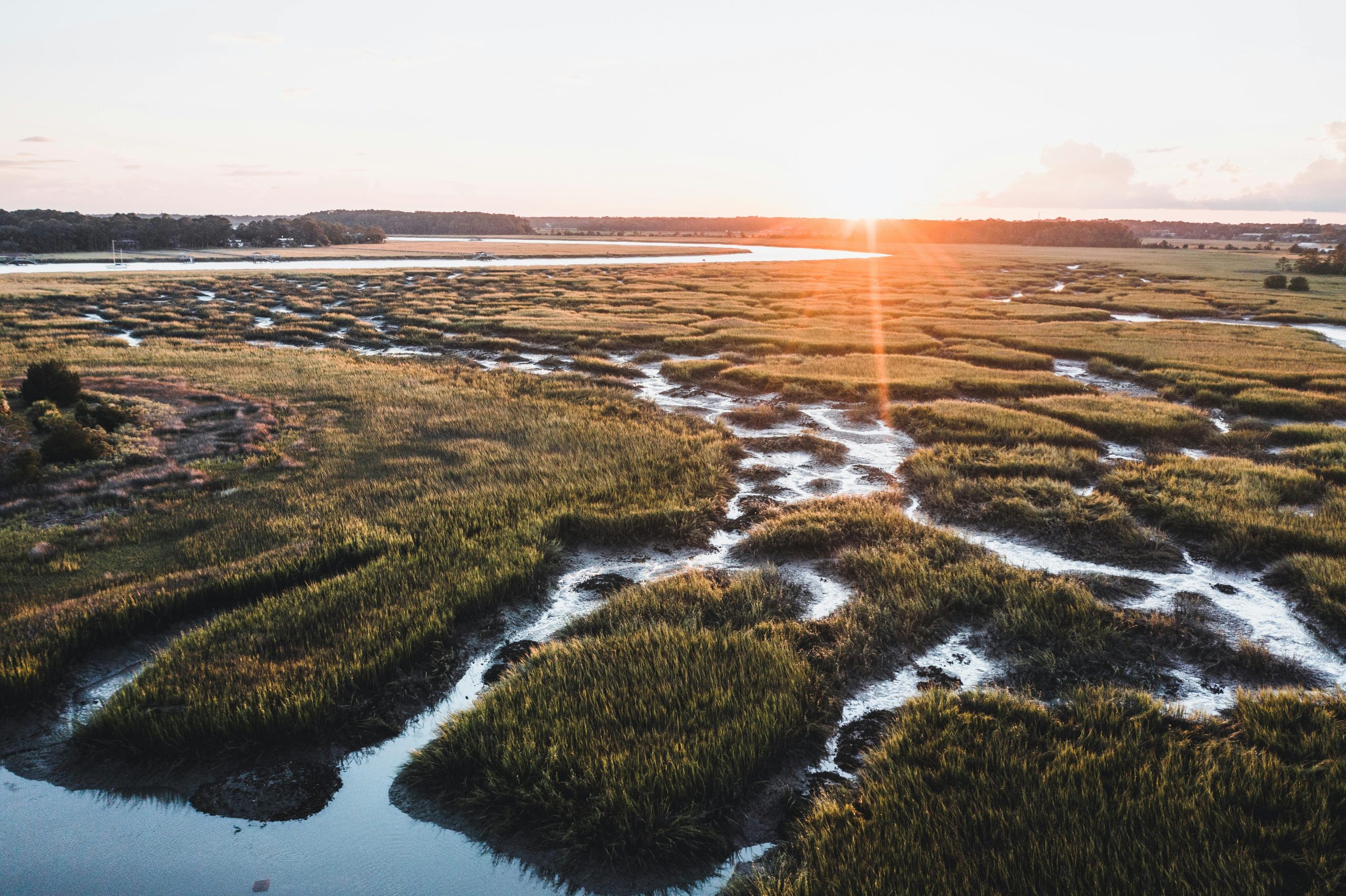
The U.S. Environmental Protection Agency (EPA) has proposed a rule that would limit which wetlands are covered by federal protection. The rule, announced November 17, 2025, would only cover wetlands with a clear surface connection to permanent rivers, lakes, or similar bodies of water.
What Would Change Under the Proposal
Under the proposal, seasonal, isolated, or temporarily disconnected wetlands – areas that fill after heavy rainfall or snowmelt – would no longer automatically be protected. Supporters say this just clarifies what the law should cover and reduces uncertainty for landowners and developers. Opponents say removing these protections would leave important ecosystems vulnerable to development, pollution, and long-term degradation.
The wetlands in question, however, play a crucial role in flood control, filtering pollutants, storing carbon, and supporting biodiversity. Limiting their protections will leave these areas more vulnerable, especially as climate change intensifies extreme weather events.
Environmental Impact and Public Response
The EPA has opened the wetlands proposal for public comment, giving everyone from environmental groups to local governments a chance to weigh in before a final decision. The result will most likely determine the level of wetland protection and impact conservation and sustainability efforts nationwide.
Being described as one of the biggest changes in US environmental policy in years, the proposal highlights an ongoing debate between economic development and environmental protection. The impact, however, will be felt far beyond individual wetlands, affecting land use and conservation planning nationwide, according to those familiar with the proposal. It raises the question: How do we balance private property rights, regulatory oversight, and ecological preservation?
For communities, the stakes are big. Wetlands are natural buffers that, in many cases, protect towns and cities from floods and provide clean water for agriculture and households. They are vital habitats for fish, birds, and other wildlife. Reducing federal oversight means more responsibility will fall to states and local governments, resulting in uneven protection across the country. Environmental scientists say we need robust, consistent protections to mitigate climate impacts and preserve biodiversity for future generations.
The EPA states that the wetlands proposal will be published in the Federal Register and open for public comment for 45 days.