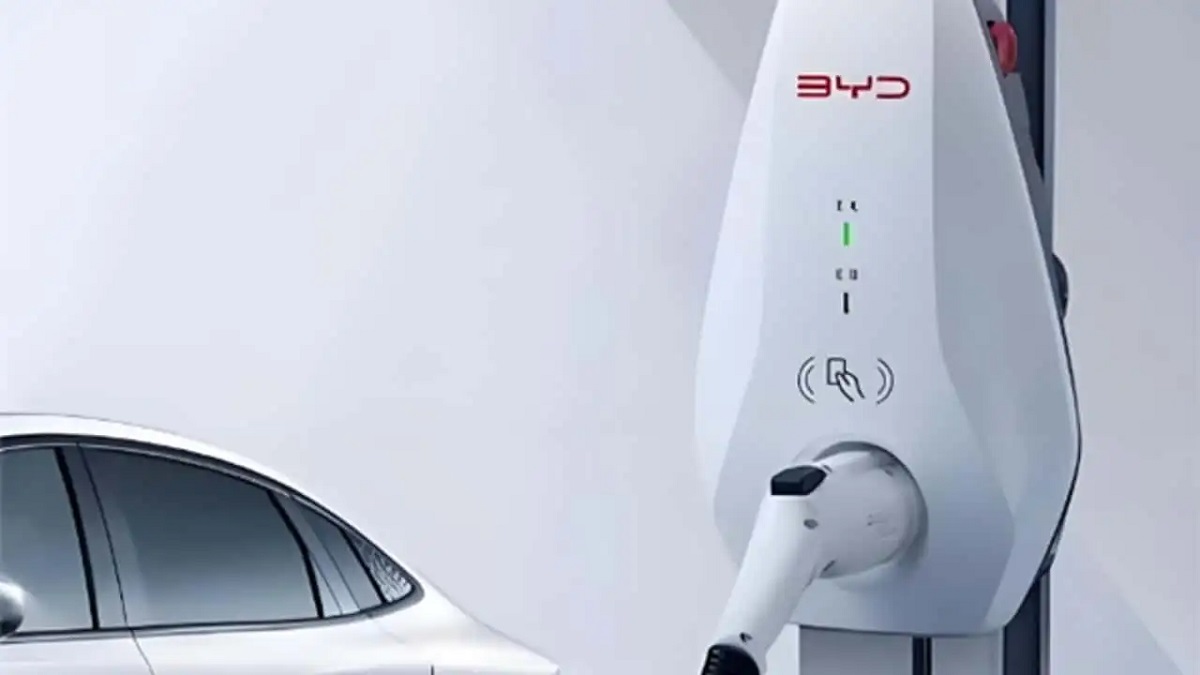
Shared home charging, how the BYD model works
Sharing home charging stations for electric vehicles is emerging as a practical solution to one of the sector’s structural challenges. BYD has already put shared home charging into practice in China, creating a real-world testing ground for new charging models.
The Chinese company, currently the world leader in battery electric vehicle adoption, has launched a project for its domestic market that offers valuable insight into how EV charging could evolve in the coming years. Owners can make their private charging systems available when unused, for example during working hours, and receive financial compensation in return.
From a private wallbox to a neighborhood charging network
The service has been designed to be simple and user-friendly. Through the official BYD app, a wallbox owner can choose specific time slots when the charger is available to others.
Drivers looking to recharge can:
- locate an available charging point nearby
- book a time slot
- recharge their vehicle
- pay directly through the app
This approach decentralizes charging, bringing it closer to end users and reducing reliance on public charging infrastructure, which is often concentrated in limited areas and associated with higher costs.
Economic and environmental benefits
BYD’s shared home charging model delivers a dual advantage. On one hand, homeowners who share their wallbox can generate additional income, shortening the payback period of their domestic charging installation. On the other, drivers benefit from potentially lower tariffs than public charging stations, greater flexibility, and shorter distances to charging points.
At a system level, this model encourages more efficient use of existing infrastructure, limiting the need for new installations and supporting a more sustainable energy transition.
Shared home charging, a growing trend in China
BYD’s initiative is not an isolated case. Other manufacturers such as NIO and Xpeng have introduced similar features within their digital platforms.
China, where electric vehicles already account for a significant share of the national fleet, continues to serve as an advanced testing ground for innovation in electric mobility. The question now is whether this model could reach Europe, and eventually Italy, where BEV adoption remains comparatively low.
Toward a more collaborative electric mobility model
BYD’s project points to a broader shift in perspective. Charging no longer needs to be a purely centralized service. It can become collaborative and distributed, leveraging infrastructure that already exists.
If adapted to different regulatory frameworks, shared home charging could help make electric mobility more accessible, affordable, and resilient. A quiet innovation that starts in private garages and could eventually scale to European cities.