
Peugeot Polygon sets a new direction for sustainable concept design
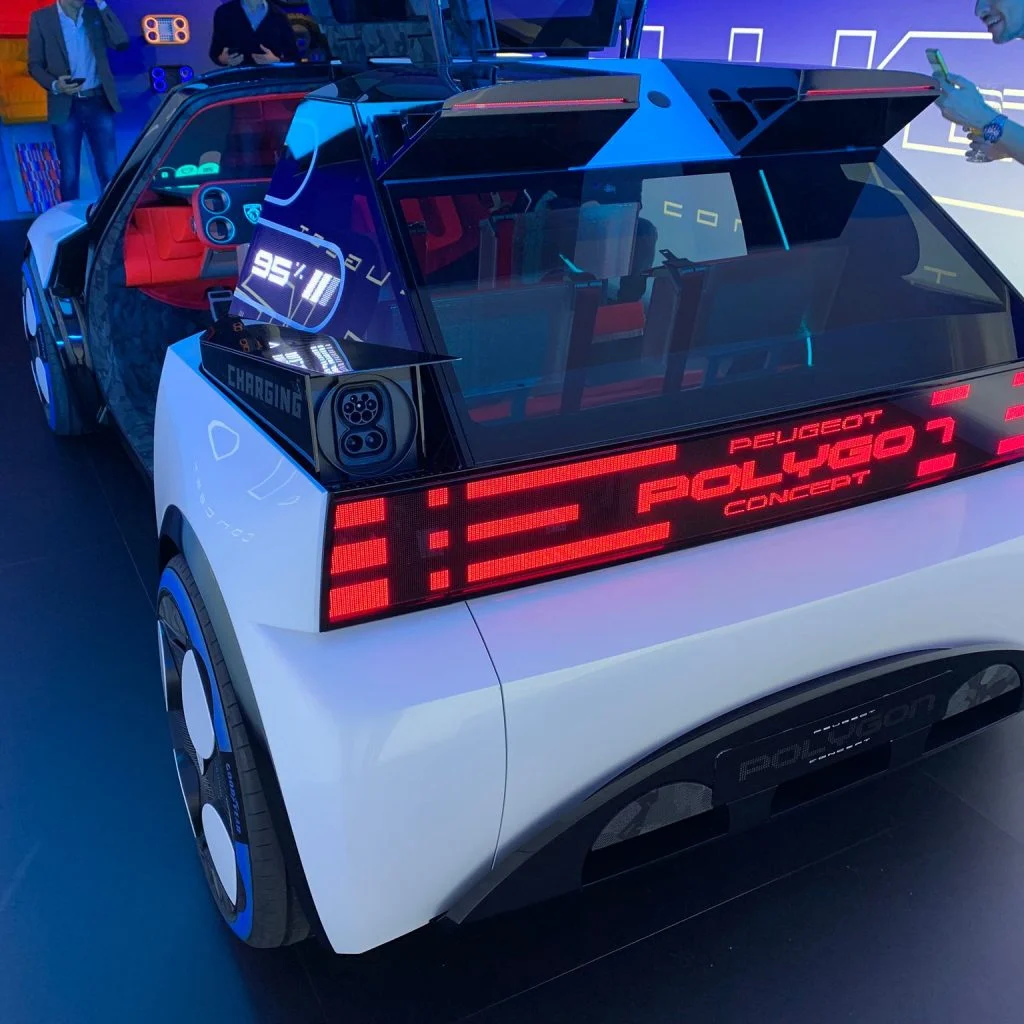
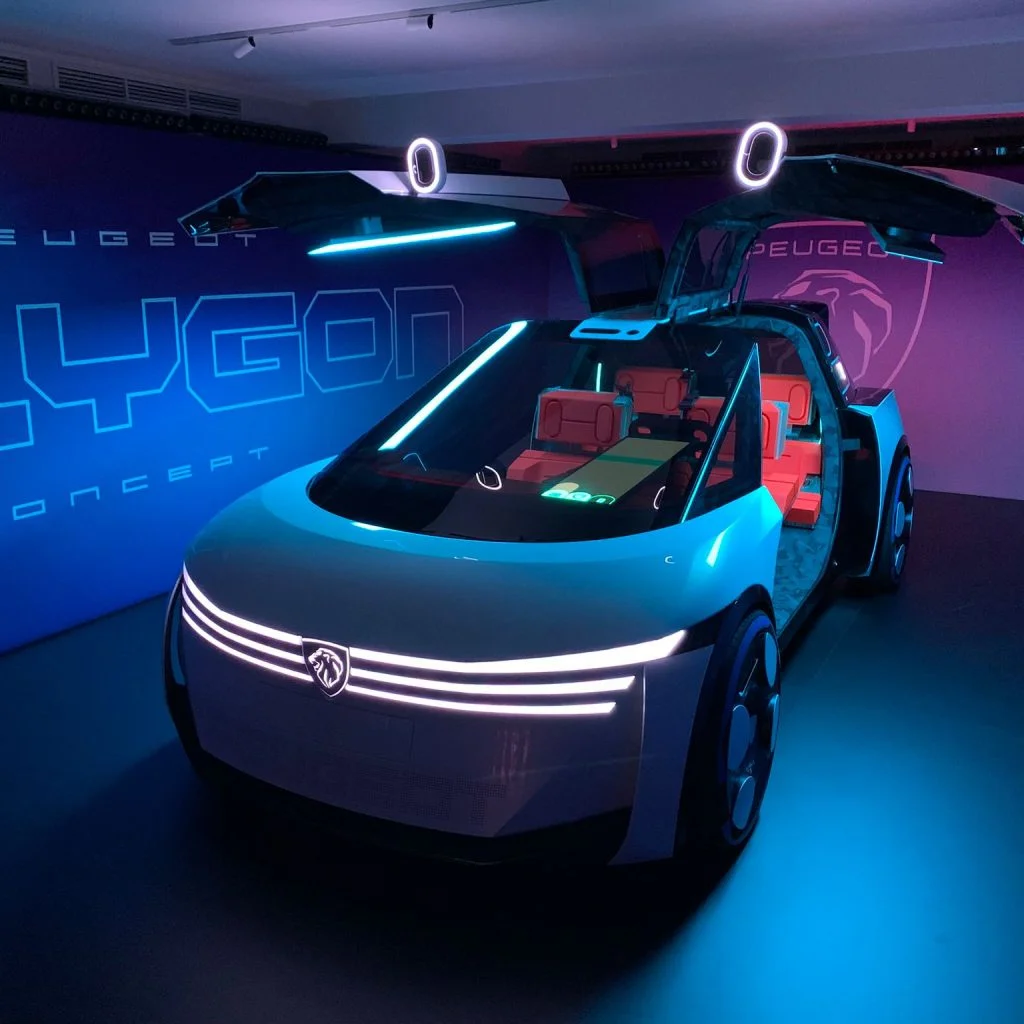
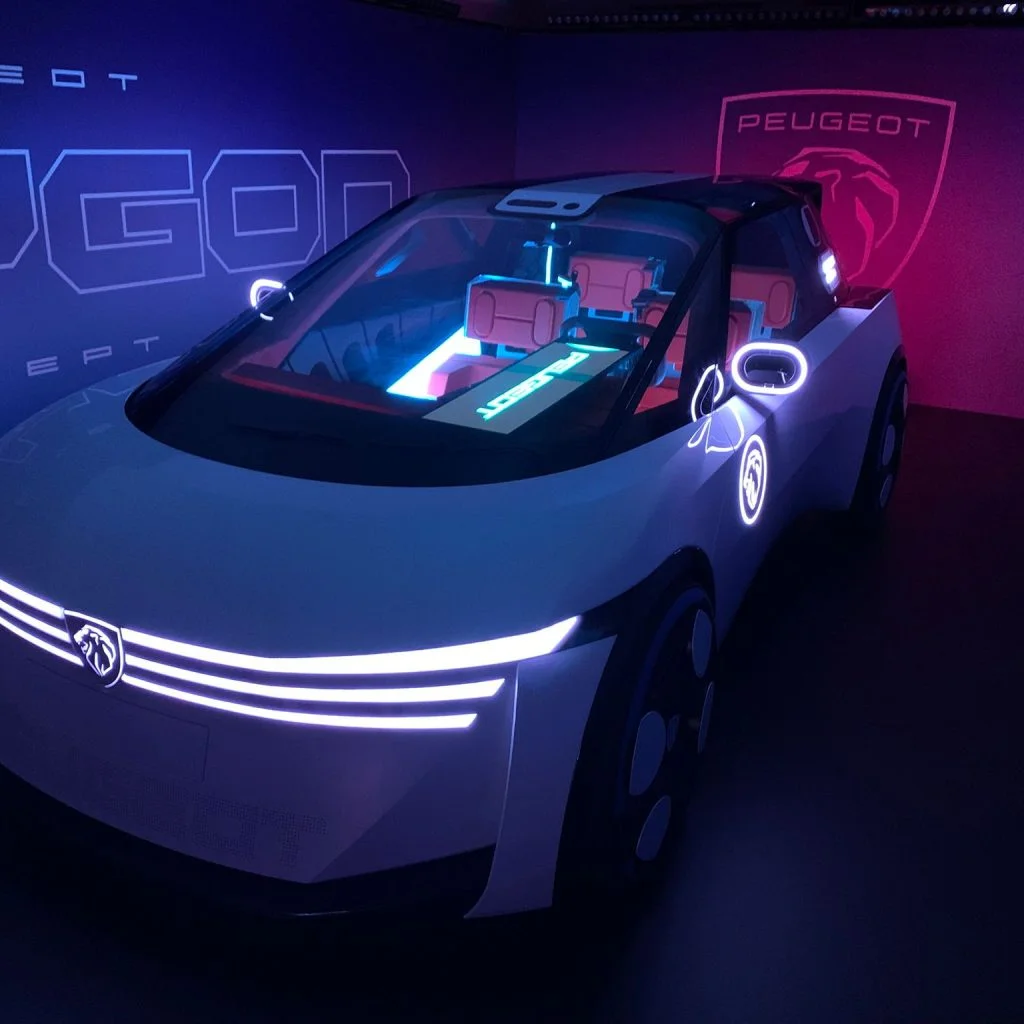
The car of the future is electric and built with recycled materials. That is the principle behind Peugeot Polygon, the concept the company revealed ahead of the 308 test drive in Portugal. The vehicle is engineered to maximize the use of recycled components throughout its structure.
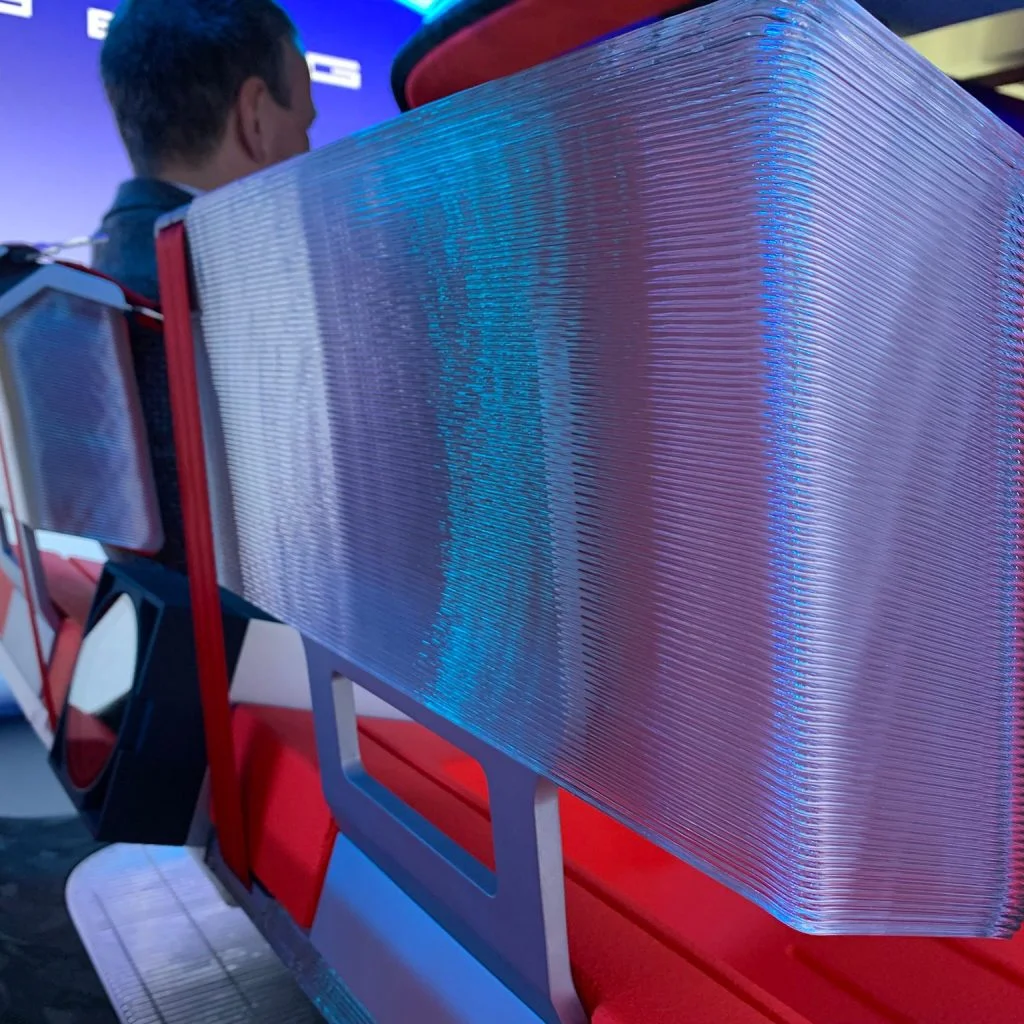
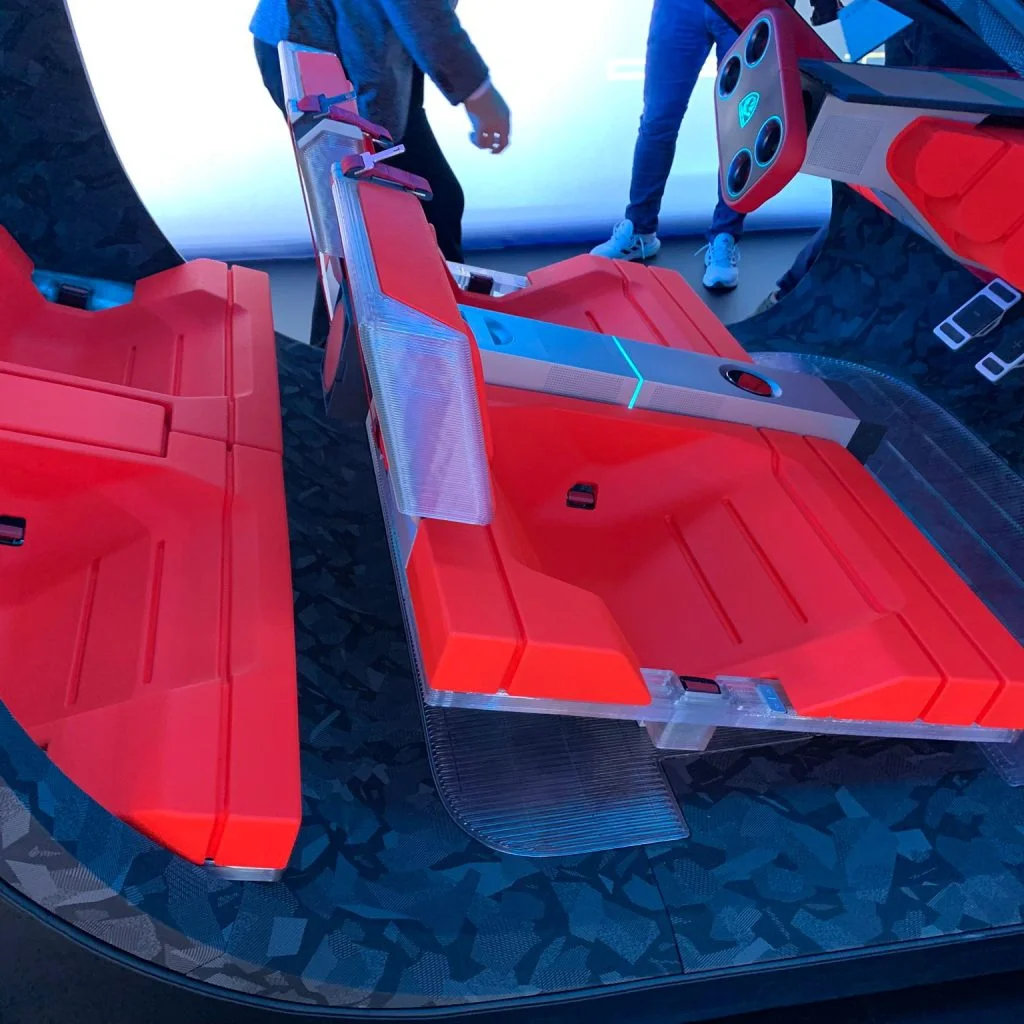
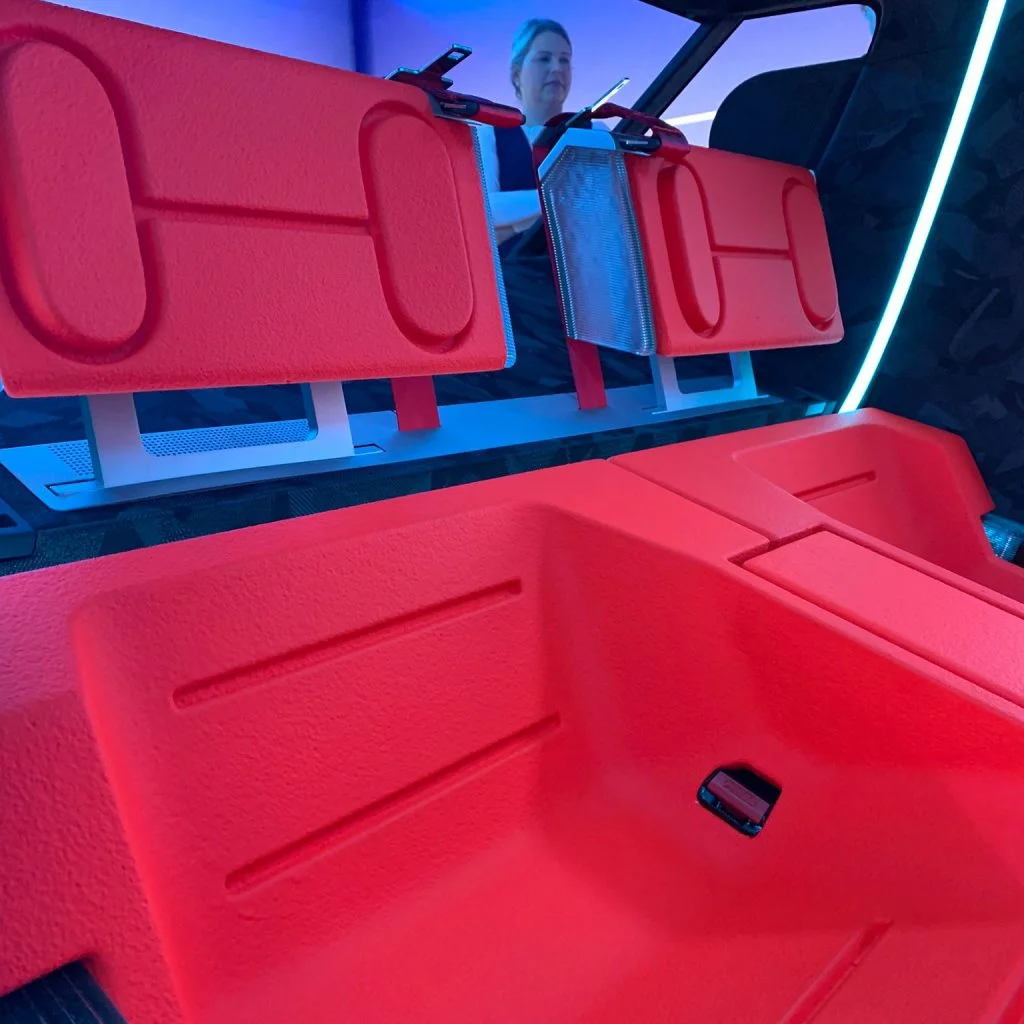
The first striking detail inside the cabin is the combination of two unusual seat materials, a foam typically used for cushions and mattresses, and recycled R-PET plastic sourced from waste and shaped through 3D printing. On the exterior, the internal paint lacquer incorporates recycled compounds derived from end-of-life tires.
The entire cabin floor, ceiling, and door panels showcases a full circular approach. These surfaces are wrapped in forged fabric made from recycled seats salvaged from retired Peugeot vehicles. Even the tire inserts integrate sections of the same recycled textile.
A lighter build with modular, replaceable components
Peugeot Polygon uses fewer parts than a conventional vehicle, resulting in reduced weight and easier assembly and disassembly at the end of its life cycle.
The seats, for example, consist of only three primary elements, the shell, the frame, and the foam, instead of the dozens found in traditional seats. The wheel covers, including their fastening system, are also made from recycled plastic and produced in a single piece using 3D printing.
Many components are designed to be quickly replaced, allowing the vehicle to evolve with its owner and promoting long-term ownership. This approach helps extend the overall lifespan of the car.
A revolutionary electronic steering system
Beyond its sustainability focus, Peugeot is investing heavily in new technologies. Among the innovations featured on Peugeot Polygon, some of which could appear on production models as early as 2027, is the Hypersquare steering system equipped with Steer-by-Wire technology. Its rectangular shape and four internal rings recall a video-game controller, which is fitting given that drivers can even access Polygon through Fortnite.
The Steer-by-Wire system eliminates any mechanical link between the steering wheel and the wheels, relying instead on electronic impulses. Already proven in the aerospace sector, this technology is expected to reach the market in just over a year.
Its key feature is the ability to adjust the steering ratio based on speed. At low speeds, such as during parking, it allows quick, effortless maneuvers without needing to reposition the hands. At higher speeds, minimal input is enough to control the vehicle’s trajectory.
Steer-by-Wire also optimizes road feedback, filtering unwanted vibrations while still allowing the driver to feel the surface, improving handling and safety.