 Add Rinnovabili to your Google favorites
Trump plans to charge shipping companies
US-Iran tensions have escalated again following Donald Trump’s latest remarks on the Strait of Hormuz. The US president said the United States would take control of the strategic waterway and recover the costs of securing it by imposing “a 20% tariff on all shipped cargo.”
“We will become the guardians of the Strait,” Trump said during an interview with Fox & Friends. “We will hit [Iran] very hard, we will keep the Strait and we will probably manage it.”
His comments come as military tensions continue to rise in the Gulf, with the United States and Iran exchanging new attacks.
According to political risk analyst Ian Bremmer, a 20% tariff on oil transported through the Strait of Hormuz would add approximately $15 per barrel to shipping costs. For a fully loaded supertanker, that would amount to roughly $30 million in additional costs, according to Bloomberg.

Trump reinstates Iran port blockade
Following the Fox News interview, Trump published a post on Truth Social, announcing that the United States would reinstate its naval blockade of Iran.
“Every other country will be able to use the Strait fairly,” Trump wrote. He added that “the United States will be reimbursed, with a 20% tariff on all shipped cargo, for any costs necessary to provide security and protection in this highly unstable part of the world.”
Ships are going dark in the Gulf
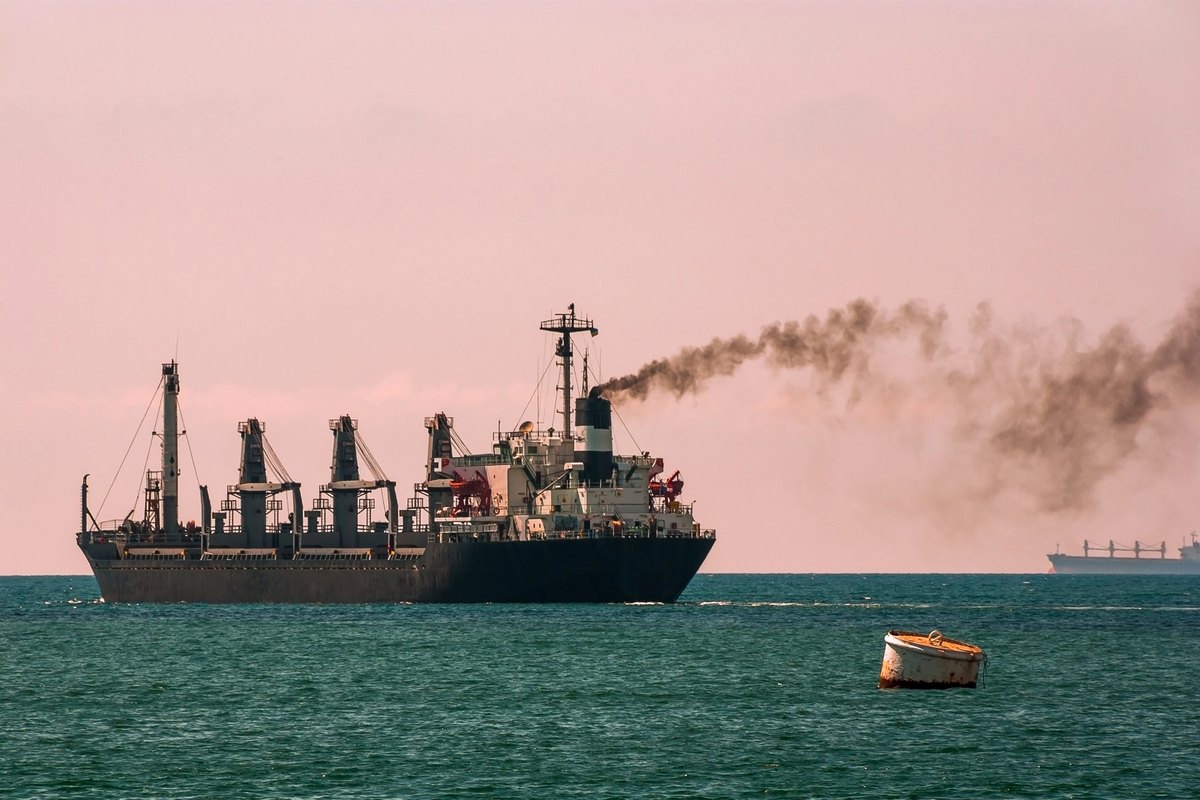
According to vessel-tracking data from Kpler, confirmed transits through the Strait of Hormuz fell by nearly 52% between July 10 and July 12 compared with the previous week. Shipping traffic has increasingly shifted toward Iranian waters, while activity along the IMO-designated and Omani shipping corridors has almost disappeared.
Although the International Maritime Organization (IMO) has not confirmed any new attacks since June 27, continued tensions between the United States and Iran, combined with ongoing threats from Iran’s Islamic Revolutionary Guard Corps (IRGC), are forcing commercial shipping operators to adopt a more cautious approach.
A separate Bloomberg analysis of preliminary shipping data also indicates that a growing share of vessels is now transiting the Strait with their tracking systems turned off, while visible traffic along the Omani side has dropped sharply.
As the dispute over control of the waterway intensifies, both Iranian and foreign merchant vessels are reportedly switching off their AIS transponders. Iran has previously attacked ships navigating the Omani shipping lane, and several vessels are believed to have continued using that route while remaining electronically invisible.
With transponders switched off, however, oil and shipping markets lose a reliable real-time view of traffic through one of the world’s most strategically important maritime chokepoints, making it increasingly difficult to assess the true scale of disruptions in the Strait of Hormuz.
