At its ministerial meeting in Paris, the International Energy Agency concluded without adopting a joint press release endorsed by all member states. Instead, delegates released a chair’s summary that did not highlight climate change among the agency’s core priorities. According to reporting from Politico, the change followed sustained pressure from the United States to refocus the agency on energy security and supply.
The outcome does not amount to a formal policy reversal. The IEA continues to publish analysis on renewables, emissions, and electricity systems. But the debate in Paris made clear that agreement over how prominently climate should feature in the agency’s mandate is no longer settled.
What happened in Paris
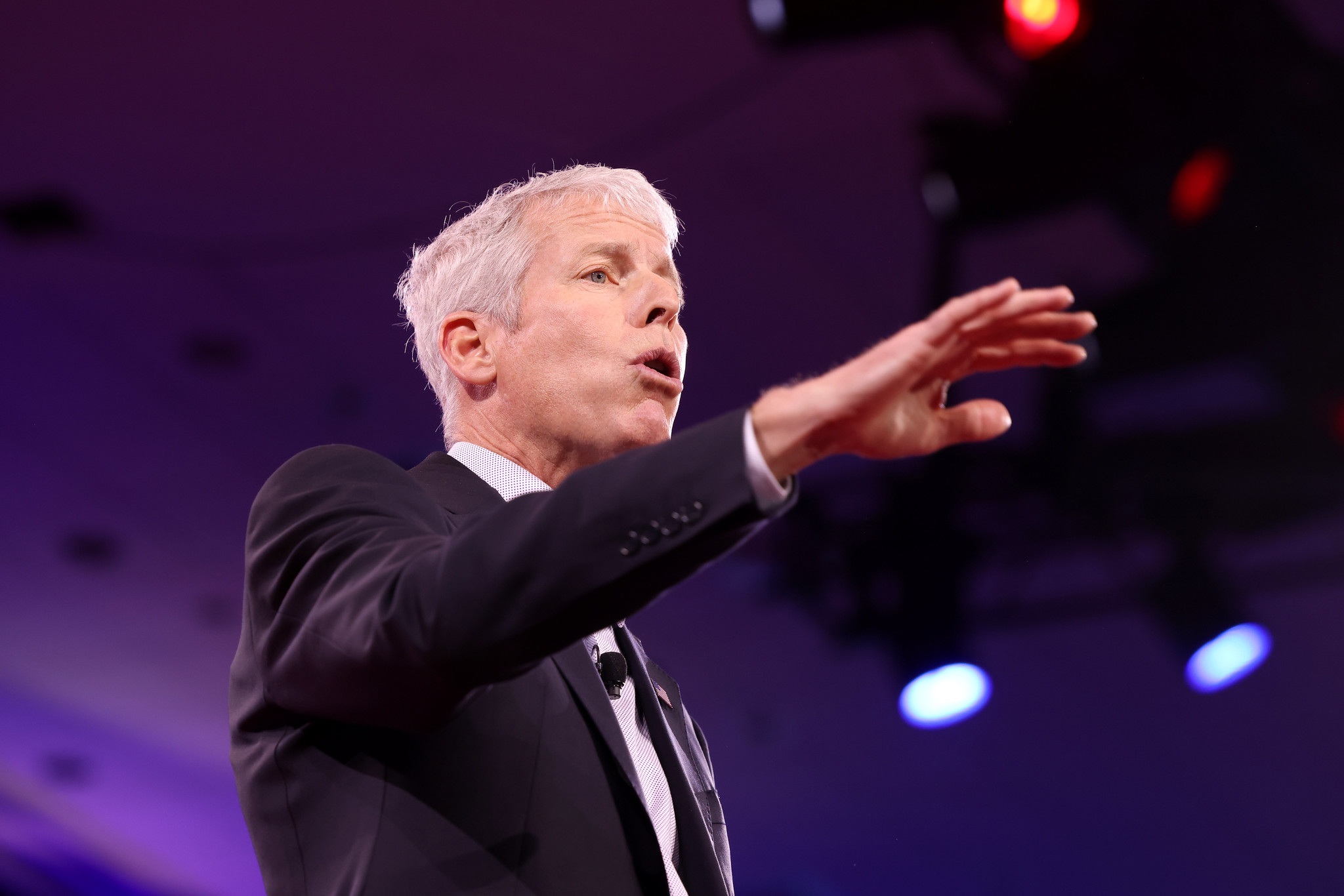
The U.S. delegation, led by Energy Secretary Chris Wright, argued that the IEA had moved beyond its original purpose. As reported by Le Monde, Wright urged the agency to concentrate on security of supply and affordability rather than climate objectives. Politico reported that Washington sought to remove explicit climate language from the list of priorities and signaled dissatisfaction with the agency’s net-zero framing.
In a Reuters report, Wright was more explicit. He said Washington does “not need a net-zero scenario” from the agency and could leave “if they insist that it’s so dominated and infused with climate stuff.” He also gave the IEA one year to reconsider its support for net-zero emissions goals or risk a potential U.S. withdrawal.
The final chair’s summary emphasized energy security, resilience, electricity systems, and critical minerals. Climate mitigation was not presented as a central organizing principle in the same way it has been in recent years.
The United States contributes roughly $6 million annually to the IEA’s budget of about $22 million, according to Reuters, giving Washington both financial weight and political leverage within the organization.
Several European ministers pushed back. France, the United Kingdom, and other member states reiterated their commitment to clean energy transitions and supported maintaining climate-related analysis within the agency’s work. The inability to produce a unified communiqué reflected those differences.
The IEA’s evolving mandate
The International Energy Agency was created in 1974 after the oil crisis to coordinate collective responses to supply disruptions among major industrialized economies. Energy security, emergency reserves, and market transparency defined its early years.
Over time, its remit expanded. As climate policy moved higher on national agendas, the agency incorporated emissions scenarios and renewable energy projections into its modeling. Its World Energy Outlook became a reference point for investors and policymakers assessing long-term energy trends. In 2021, the IEA published a roadmap outlining a pathway to net-zero emissions by 2050, concluding that no new oil and gas fields were needed in a scenario aligned with global climate goals.
That evolution drew both praise and criticism. Supporters argued that energy security and climate mitigation are intertwined, especially as renewable deployment and electrification reshape power systems. Critics contended that the agency risked stepping beyond neutral analysis into policy advocacy.
The dispute in Paris reflects that tension. The United States is now pressing for a narrower interpretation of the IEA’s mandate, one centered on supply, affordability, and reliability. European governments, by contrast, generally treat decarbonization as integral to energy planning, not separate from it.
A widening transatlantic divide
The ministerial meeting highlighted a broader divergence between Washington and several European capitals. In the United States, federal energy policy has shifted toward expanding domestic fossil fuel production and reassessing climate-related regulations. Within the IEA, that shift translated into resistance to framing climate mitigation as a defining institutional objective.
European governments have taken a different approach. Many continue to embed emissions targets into energy legislation and view renewable deployment as part of a long-term security strategy. Following Russia’s invasion of Ukraine, energy independence and decarbonization have often been presented as complementary goals rather than competing ones.
The lack of a joint communiqué is significant in this context. Such documents traditionally signal collective direction and shared priorities. A chair’s summary, by contrast, reflects partial consensus. It suggests that while member states continue to cooperate on data, market transparency, and emergency coordination, alignment on narrative and emphasis has weakened.
The disagreement does not center on whether emissions should decline over time. It concerns whether climate mitigation should frame the agency’s core identity. For the United States, the emphasis is on shifting foundational objectives.
What this moment represents
The Paris outcome represents a recalibration rather than a rupture. The United States has not exited the International Energy Agency. The agency has not formally abandoned climate modeling. Many member states remain committed to net-zero targets, including those aligned with the 2015 Paris Agreement.
Dutch Climate Minister and Deputy Prime Minister Sophie Hermans, who chaired the meeting, defended the result. Each ministerial, she said, reflects its “own geopolitical situation.”
“And I think the last thing we should do is compare today’s chair summary with the summary of two years ago, because so much has changed,” she told reporters.
The episode shows how shifts in national policy feed directly into multilateral institutions. The IEA operates at the intersection of technical expertise and political agreement. Its scenarios influence investment flows, infrastructure planning, and government strategy. When a major contributor questions its direction, the implications extend beyond wording in a summary document.
Reuters reported that European governments sought to downplay the prospect of a U.S. withdrawal, emphasizing continued cooperation within the agency. That response underlines an interest in preserving institutional stability even amid disagreement.
The coming year will test how the IEA balances competing expectations. If Washington maintains pressure to reduce emphasis on net-zero pathways, the framing of future reports may draw closer scrutiny. If other members insist on preserving climate-centered scenarios, the agency will need to manage visible differences within its leadership.
For now, the ministerial meeting signals that integrating climate into the core mandate of global energy governance is no longer a settled consensus among advanced economies. The IEA remains central to energy analysis and coordination, and its direction will reflect the political alignment of its members.