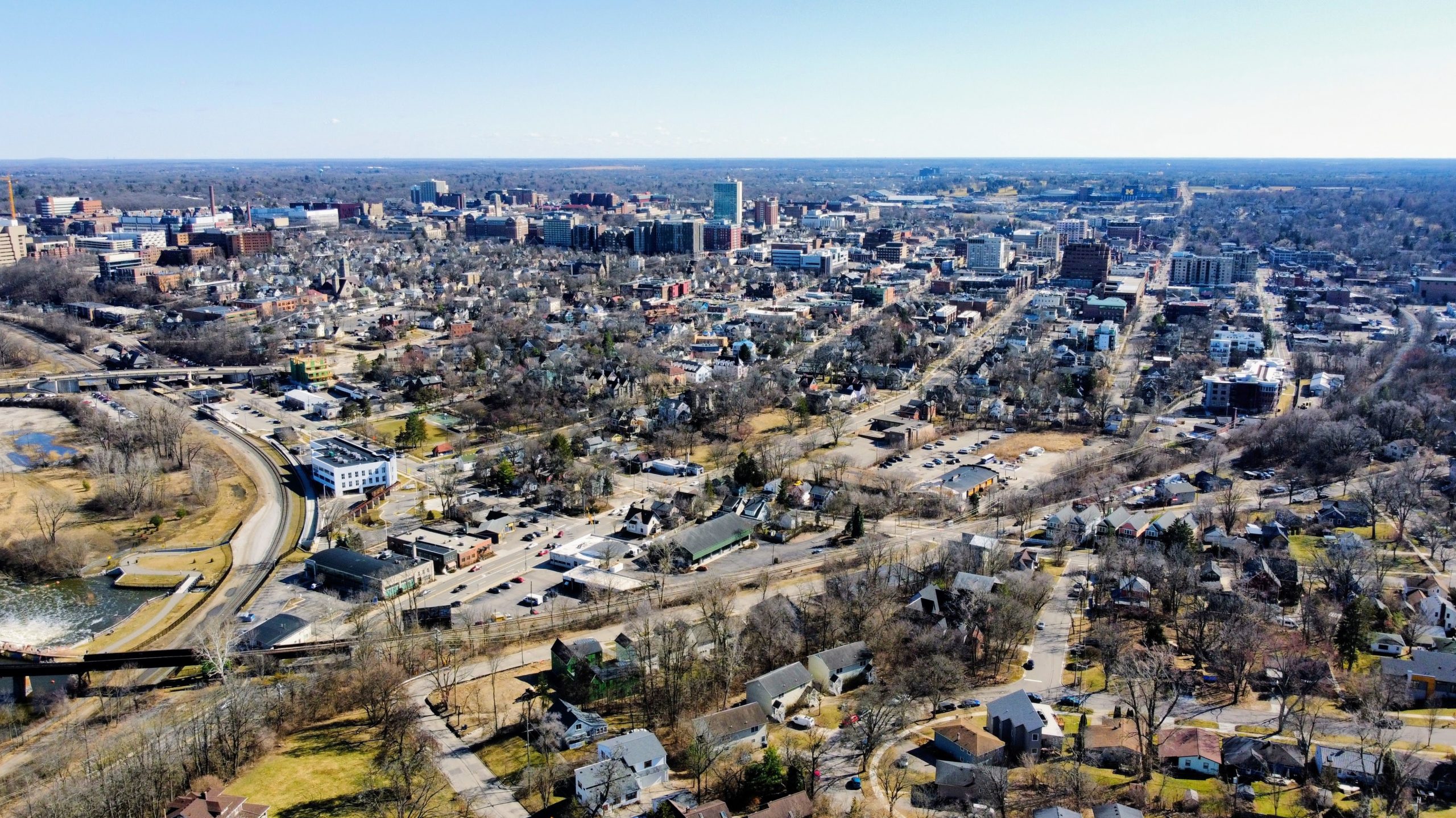
Ann Arbor, Michigan, started its Office of Sustainability and Innovations back in 2019. Now well-known in the urban sustainability world, Ann Arbor earned a spot on the global CDP A List for its climate leadership in 2024, one of only a handful of U.S. cities to do so. With a focus on getting to carbon neutrality through initiatives that are innovative and crowd-sourced, Ann Arbor is setting a model for other mid-sized cities to examine.
Current Sustainability Priorities
Ann Arbor’s current sustainability projects are all centered around a few big initiatives. The city’s getting ready to launch its Sustainable Energy Utility, a new platform that’s designed to get more people in touch with local renewable energy and make the whole system more resilient. Meanwhile, OSI is working on a commercial sustainability accelerator to help local businesses cut their emissions and be more efficient.
Some of the other things Ann Arbor is working on include bigger rebates and incentives to help people in rental housing go green, the start of a big project to work out a system for reducing waste city-wide & a returnable container program to cut down on waste. The city is also trying to cut carbon out of municipal buildings and is working on getting neighbourhoods ready for change.
Flagship Initiatives
Sustainable Energy Utility (SEU)
The Sustainable Energy Utility is one of Ann Arbor’s biggest projects. It was approved by voters in 2024 with 79% support. The SEU will provide locally generated renewable energy and battery storage to homes and businesses. The city’s baseline emissions are around 2.1 million metric tons of CO₂ equivalent per year, and electricity use is a big piece of that. The SEU will install distributed solar and storage systems to reduce dependence on the regional grid and provide emissions reductions and outage resilience. The city sees the SEU as a transferable model for cities that want more control over clean energy deployment.
Bryant Neighborhood Sustainability Project
The Bryant neighborhood is a full-scale demonstration of community-level decarbonization. The area has households with higher energy burdens and an aging housing stock, which creates measurable opportunities for emissions reductions through electrification, insulation, and appliance upgrades. The project includes energy assessments, weatherization, heat pump deployment, and resilience planning. It’s one of the most comprehensive neighborhood-scale initiatives in the A²ZERO program and aligns with the city’s goal of carbon neutrality by 2030.
Building Decarbonization
The city is doing retrofits in municipal facilities and getting ready for the Green Rental Housing Ordinance. Measures include efficiency upgrades, electrification of building systems, and rooftop solar. Through the Better Buildings Initiative, Ann Arbor has tracked energy performance in dozens of municipal buildings and installed over 250 kilowatts of solar on city buildings. New incentives for rental properties will accelerate upgrades in the private housing sector. The Green Rental Housing Ordinance is set to begin in early January.
Circularity and Waste Reduction
Ann Arbor is developing a long-term circularity strategy to reduce material use and limit landfill dependence. First steps include a returnable container pilot to reduce single-use packaging in commercial settings. The city’s A²ZERO plan identifies material consumption and waste as key contributors to lifecycle emissions, and the circularity process will set measurable targets for reducing waste streams over the next 10 years. Data from the dashboard and annual reports will inform those targets as the planning process unfolds.
Commercial Sustainability Accelerator
A commercial sustainability accelerator will be developed to support emissions reductions in businesses and commercial properties. This sector impacts both direct and indirect emissions through electricity use, building systems, and material flows. The accelerator will provide technical assistance and program support to help businesses get in line with the city’s carbon neutrality goals. It also supports OSI’s overall goal of embedding sustainability into the local economy by creating a clear path for private sector action.
Community Engagement
Ann Arbor uses a broad engagement model to involve residents, institutions, and businesses in its sustainability work. OSI organizes more than two hundred events each year and maintains frequent communication through local media, public schools, and major institutions such as the University of Michigan and Washtenaw County. Outreach methods include door knocking, flyering, sponsored community events, and regular updates across the city’s communication channels. The engagement strategy is reviewed and adjusted based on participation trends and community feedback. Their goal is to make climate initiatives accessible and encourage residents to take part in programs that advance A²ZERO objectives.
Progress Tracking and Metrics
Ann Arbor measures progress through its A²ZERO dashboard, which tracks emissions, energy use, transportation, waste, and resilience. The dashboard shows community-wide greenhouse gas emissions. It also tracks renewable energy adoption, energy efficiency, EV charging infrastructure, and city program participation. These metrics allow the city to see what’s working and what needs to be adjusted to meet the 2030 carbon neutrality goal.
Challenges
Ann Arbor’s biggest challenge is the amount of work to get to community-wide carbon neutrality. Most emissions are outside of city control, so progress depends on residents, businesses, institutions, and visitors. This creates operational barriers since many initiatives require broad participation to show results. Funding is another constraint, especially for programs that require a big upfront investment or long-term financing. These conditions dictate the pace and shape of implementation across the A²ZERO portfolio.
Upcoming Programs and Near-Term Plans
Ann Arbor has several big initiatives on the horizon over the next two years. The Green Rental Housing Ordinance starts in January and will add new requirements to reduce emissions in rental properties. The city is also moving forward with the returnable container program and completing plans for resilience hubs in each of the five wards. They are also launching a community geothermal project and the commercial sustainability accelerator, which will provide coordinated support services for local businesses.
Transferability
Ann Arbor designs its sustainability programs to be transferable. OSI estimates that 95% of its work can be replicated by other U.S. cities with similar emissions profiles and governance structures. They document their processes, program models, and implementation lessons to support others. A core objective of A²ZERO: to develop strategies that work in Ann Arbor but can be used elsewhere to advance climate action and community-scale decarbonization.
Conclusion
Ann Arbor has a structured and data-driven approach to climate action through A²ZERO and its sustainability office. Focused on clean energy, building decarbonization, circularity, and community engagement, they are a national leader among mid-sized cities. As these programs roll out, Ann Arbor’s model shows how local government can achieve carbon neutrality through coordinated planning and measurable initiatives.