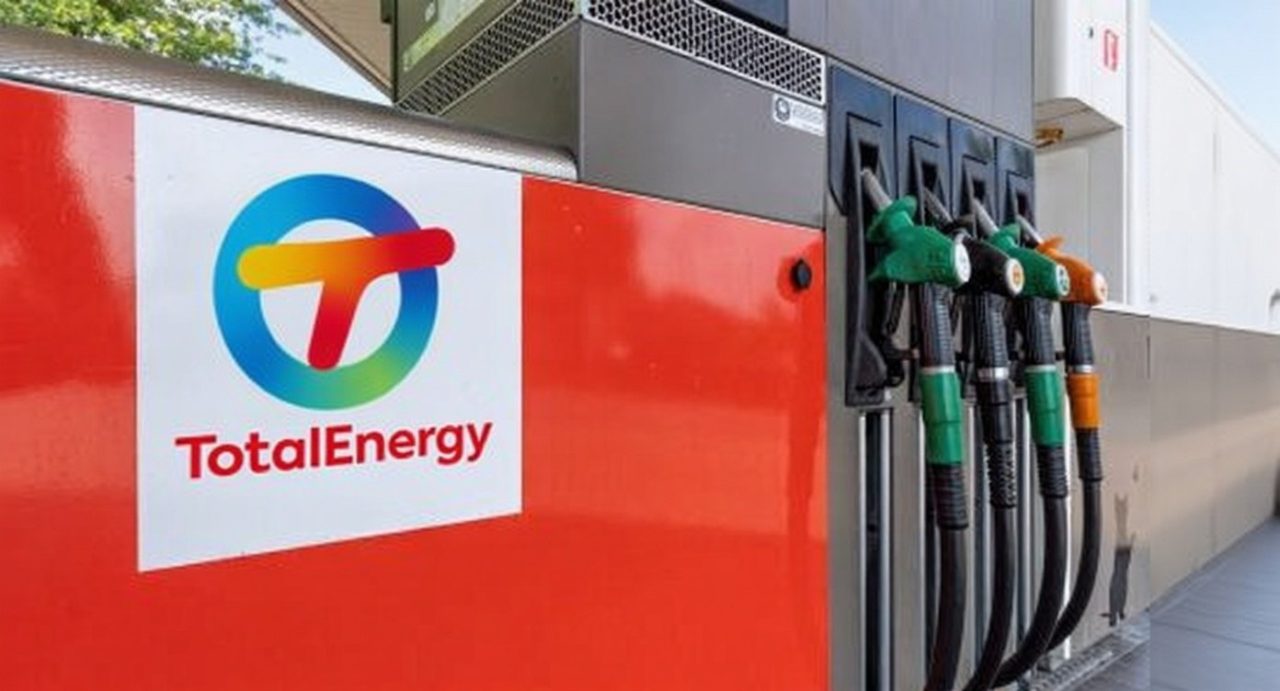
How the TotalEnergies greenwashing case set a precedent for climate accountability
On October 23, the Paris Civil Court ruled that the French oil and gas giant TotalEnergies misled the public and its customers by portraying itself as a key player in the energy transition. The company was found guilty of deceptive commercial practices for falsely claiming it aimed to achieve net-zero emissions by 2050.
According to the court, TotalEnergies engaged in misleading marketing through statements published on its website, asserting its commitment to carbon neutrality and its leading role in the energy transition, despite evidence to the contrary. These claims gave consumers the false impression that the company was shifting its business to clean energy production.
In June, the European Commission announced its decision to withdraw a draft law intended to combat corporate greenwashing, following pressure from conservative lawmakers.
A precedent for climate accountability
The ruling, delivered just weeks before COP30, sends a strong signal to the fossil fuel industry. It sets a critical legal precedent that could pave the way for similar actions across Europe and beyond, holding companies accountable for misleading the public about their environmental impact.
The case stems from a 2022 lawsuit filed by environmental NGOs Friends of the Earth France, Greenpeace France, and Notre Affaire à Tous, with support from ClientEarth. The complaint targeted TotalEnergies’ 2021 rebranding campaign, when the company changed its name from Total to TotalEnergies.
Environmental groups told Agence France-Presse the verdict represents “an important legal precedent against climate misinformation.” In a statement, Greenpeace noted, “It is the first time a major oil and gas company has been found guilty of misleading the public through greenwashing about its climate commitments.”
97% of TotalEnergies’ output still comes from hydrocarbons
While TotalEnergies has invested more in renewables than any other major oil company, with a portfolio of about 26 gigawatts of installed gross capacity, more than 97% of its revenue last year came from environmentally unsustainable activities, according to the EU’s green investment disclosures.
NGOs’ reactions to the TotalEnergies greenwashing ruling
Edina Ifticene of Greenpeace France stated, “With over 97% of its energy output still based on hydrocarbons and nearly 80% of its investments focused on fossil fuels, Total continues to worsen the climate crisis while claiming to be part of the solution. This historic ruling finally prevents the company from hiding behind greenwashing tactics.”
Juliette Renaud, campaign coordinator at Friends of the Earth France, added, “We hope this decision will shed light on the reality of Total’s operations, as the company continues to expand its oil and gas projects across continents, particularly in Africa, at the cost of human rights violations and irreversible environmental damage.”
She continued, “In particular, Total remains determined to push forward its massive LNG project in Mozambique, despite a deeply concerning humanitarian and security context. That project alone could generate between 3.3 and 4.5 billion metric tons of CO₂ equivalent. It’s time to force Total and other oil and gas majors to comply with scientific recommendations and stop developing new fossil fuel projects.”
The court ordered TotalEnergies and its subsidiary TotalEnergies Électricité et Gaz France to:
- Stop making misleading statements within one month, under penalty of a €10,000 fine for each day of delay.
- Publish the court ruling on the homepage of www.totalenergies.fr for 180 days.
TotalEnergies said it would not appeal the verdict. The company stated that the court’s findings concerned only three paragraphs on its website related to its carbon-neutrality goals and not its advertising campaigns for consumer offers in France. TotalEnergies pledged to replace the disputed sections with “a factual description of what TotalEnergies has undertaken so far” to cut emissions, citing this as the reason for not filing an appeal.