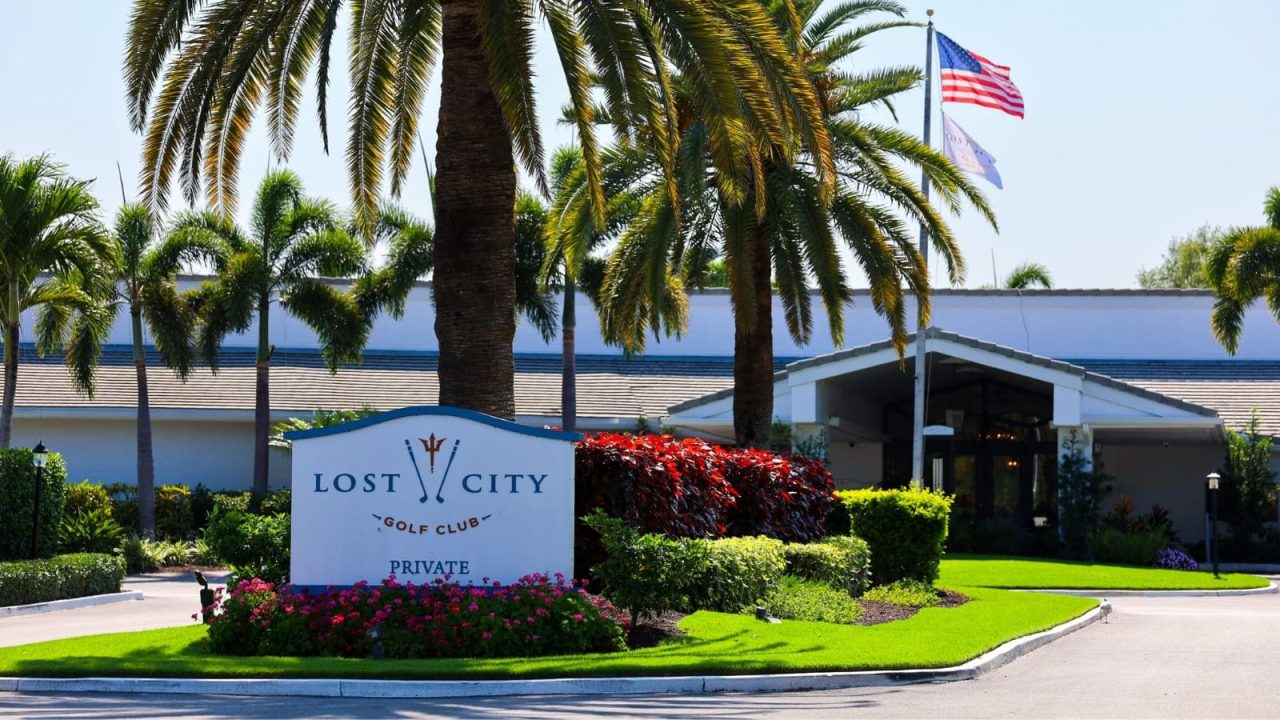
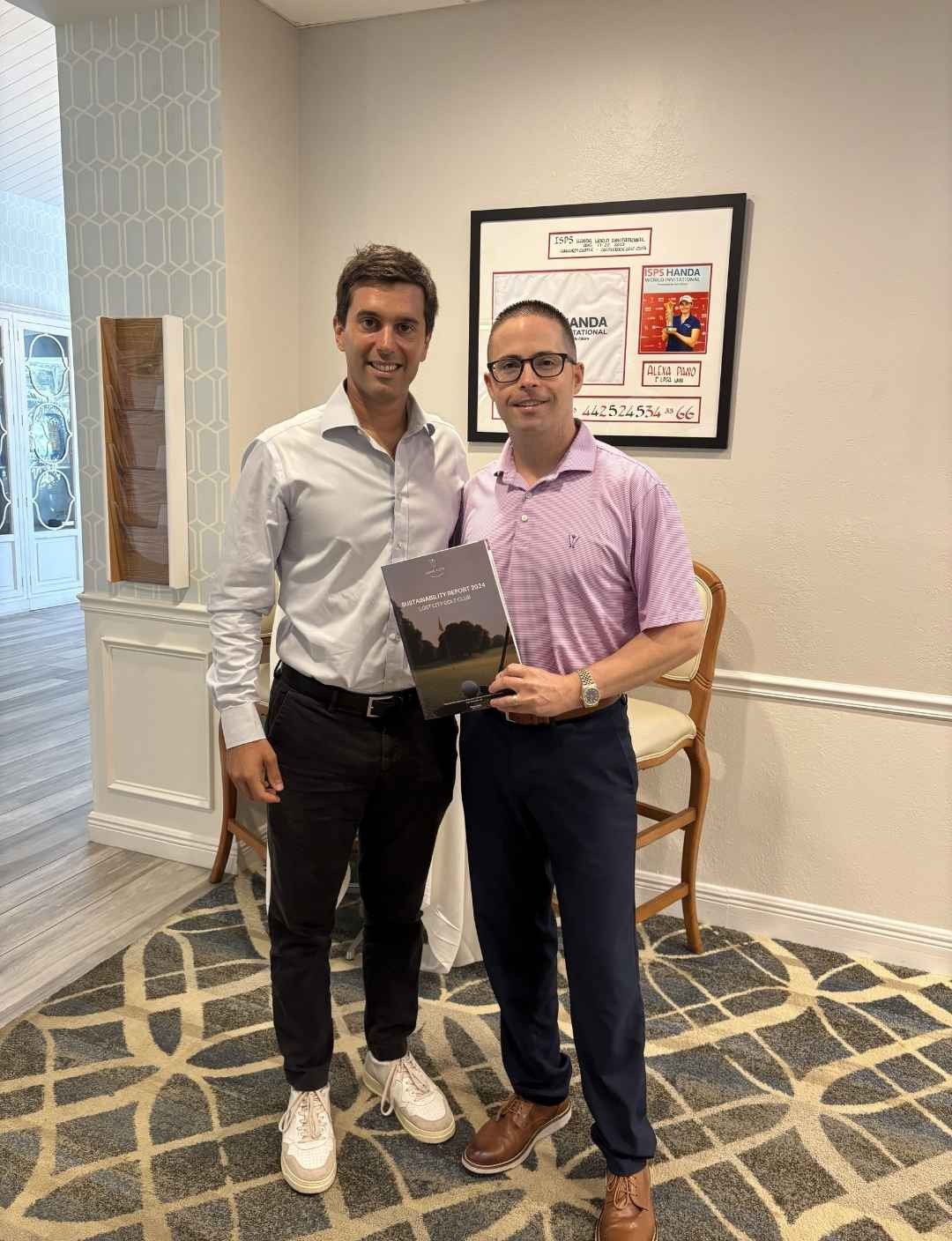
Lost City Golf Club Sustainability Report 2024: a benchmark for the sector
The 2024 Sustainability Report of Lost City Golf Club was developed to strengthen transparency, offer a clear and shareable picture of the club’s current environmental and social performance, and lay the foundation for sustainable governance. The document sets a robust reference framework for continuous improvement and for professional communication with members, employees, suppliers, and institutions.
“This is a milestone that reflects not just a shift in how we operate, but in how we think,” said Kevin Caldabaugh, General Manager of the club. “Our members expect the very best, and we’ve realized that offering “the best” today must also mean offering a thoughtful, responsible approach to the environment.”
Key findings of the sustainability analysis
The club’s first structured assessment of priorities allowed Lost City Golf Club to define four strategic areas of action: responsible water and land management, operational efficiency, social relations, and governance. The findings provide a concrete basis for measuring progress and guiding future decisions.
Below is a summary of the main findings, based on the information presented in the 2024 Sustainability Report.
Water use
The club uses only locally authorized water sources to irrigate the entire golf course. During the year, the club completed an irrigation system audit, which will serve as the basis for evaluating future initiatives aimed at improving water efficiency and reducing consumption over time.
Energy consumption and emissions
The analysis of electricity use helped identify the main operational areas where future monitoring and improvement efforts should be focused. The club has already replaced 75 percent of its lamps with more efficient LED solutions and is developing a plan to strengthen emissions monitoring and support upcoming efficiency decisions.
Waste management
The club’s waste management approach is currently decentralized, aligned with the operational needs of different areas. In the coming years, procedures are expected to be progressively consolidated with the goal of improving collection and monitoring.
Landscape and biodiversity
The club selects vegetation with a preference for native, low maintenance species that help reduce water demand and maintain a resilient landscape within the local context. Maintenance activities comply with environmental regulations and include the use of the safest available products for turf health.
Employment and working conditions
The club employs 82 people, a significant share of whom (86.6 percent) work full time, with a low seasonal turnover rate. Mandatory training activities are carried out regularly, while new initiatives are being considered to increase staff engagement on environmental and social matters.
Diversity and inclusion
The organization fosters an inclusive and culturally diverse environment, with staff members from 18 countries. An equal opportunity policy is already in place and communicated to all employees. Although a formal DEI strategy is not yet established, the topic is recognized as a priority for the coming years.

Community and stakeholders
The club maintains ongoing and constructive dialogue with the city administration of Atlantis and the local community. The report highlights the importance of continuing in this direction, strengthening listening and engagement practices with different stakeholders.
Food quality and safety
Direct management of the kitchen enables precise control over hygiene standards, and all food service personnel hold the required food safety certifications.
Sustainable sourcing and materials
In some operational areas, the club occasionally uses more sustainable materials, such as recycled paper or durable products, although these purchases are not yet tracked through a formal policy. In the coming years, the club intends to explore ways to introduce more structured criteria into its procurement practices.
Future initiatives and strategic direction
The 2024 Sustainability Report represents the starting point of a structured path that will continue to evolve over time. Among the priorities identified for the next few years are improving data collection and monitoring systems, along with progressively consolidating internal processes related to environmental and social management. Staff training on these topics is also an area of further development.
The club will also consider gradually introducing more structured references in areas not yet covered by formal policies, including governance, inclusion, and procurement, in line with the evolution of its operational needs.
In this context, Kevin Caldabaugh, the General Manager stated, “This first sustainability report is a crucial tool. Its value lies not only in measuring impact but in helping us prioritize our actions by identifying short-term wins, mid-term strategies, and long-term goals.”
The stated ambition is to transform the club into a reference point for the entire sector, capable of combining tradition, innovation, and environmental responsibility. “Now that we know more, we can create a positive impact. We’re just getting started,” he concluded.