Air pollution and the promise of satellite based air traffic modernization
A new satellite technology designed to optimize air traffic and reduce fuel consumption is nearing deployment. Called Iris, the program developed by the European Space Agency and led by Viasat modernizes air traffic management software by enabling digital satellite communications between aircraft and controllers at cruising altitude.
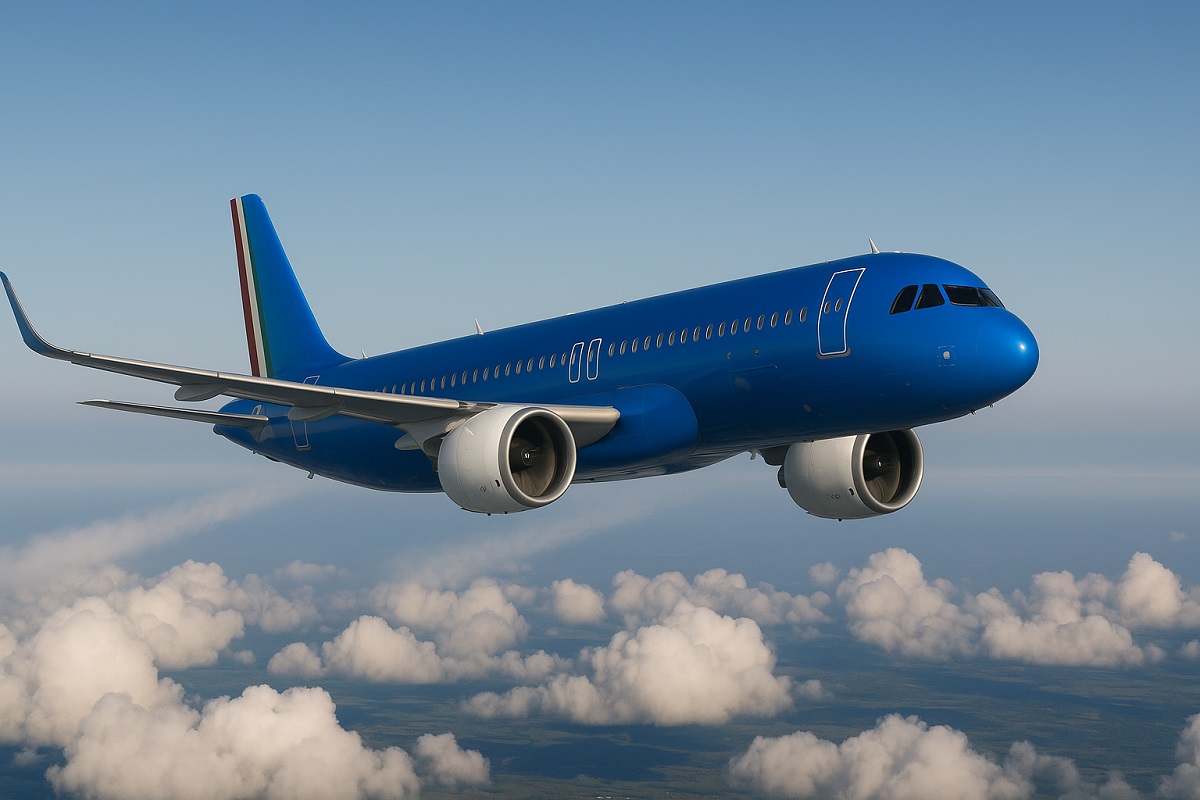
The validation phase will conclude by the end of the year. Starting in 2026, European carriers participating in the project will begin installing the system on their fleets. By 2032, more than 1,100 aircraft equipped with Iris technology are expected to operate across Europe. ITA Airways is among the airlines that have joined the initiative, beginning with four Airbus A320 aircraft.
A single European airspace
The Iris program supports the broader European goal of creating a Single European Sky. Today, air traffic is fragmented into 27 national systems corresponding to each EU member state. These networks do not always communicate seamlessly, resulting in longer routes, delays, and higher operating costs. The vision is to manage Europe’s skies as one unified airspace with shared technologies, standardized procedures, and greater automation.
What will Iris change
Europe is reshaping the future of aviation, and Iris is one of its most strategic projects. The system allows aircraft to exchange data digitally and continuously with air traffic control, overcoming the congestion of traditional radio frequencies. With this capability, already certified for the Airbus A320 and A330 families, airlines can enable trajectory based 4D operations, where an aircraft communicates not only its position but also the exact time it will reach each waypoint. The result is more predictable traffic, fewer in flight holds, shorter routes, smoother descent profiles, and reduced fuel consumption.
Air pollution, lower fuel burn and fewer emissions
For ITA Airways, Iris will make flight operations more efficient by cutting fuel consumption and emissions while contributing to the modernization of European airspace. The system will initially be enabled on flights departing from Milan and Rome to destinations across Europe. Meanwhile, the Iris program is expanding globally, with potential adoption in regions such as Asia and the Americas. As early as 2028, Iris could support global flight optimization, making air travel more sustainable and efficient.
The benefits of technology
“The introduction of the Iris technology on our aircraft represents a significant step forward in improving operational efficiency and environmental sustainability. At ITA Airways we are deeply committed to supporting the modernization of European airspace as part of the roadmap toward the Single European Sky and to playing an active role in the development of the air traffic management program. Through this partnership with Viasat, ESA and ESSP, we will improve flight punctuality, optimize fuel consumption and further reduce emissions,” said Joerg Eberhart, CEO and General Director of ITA Airways.