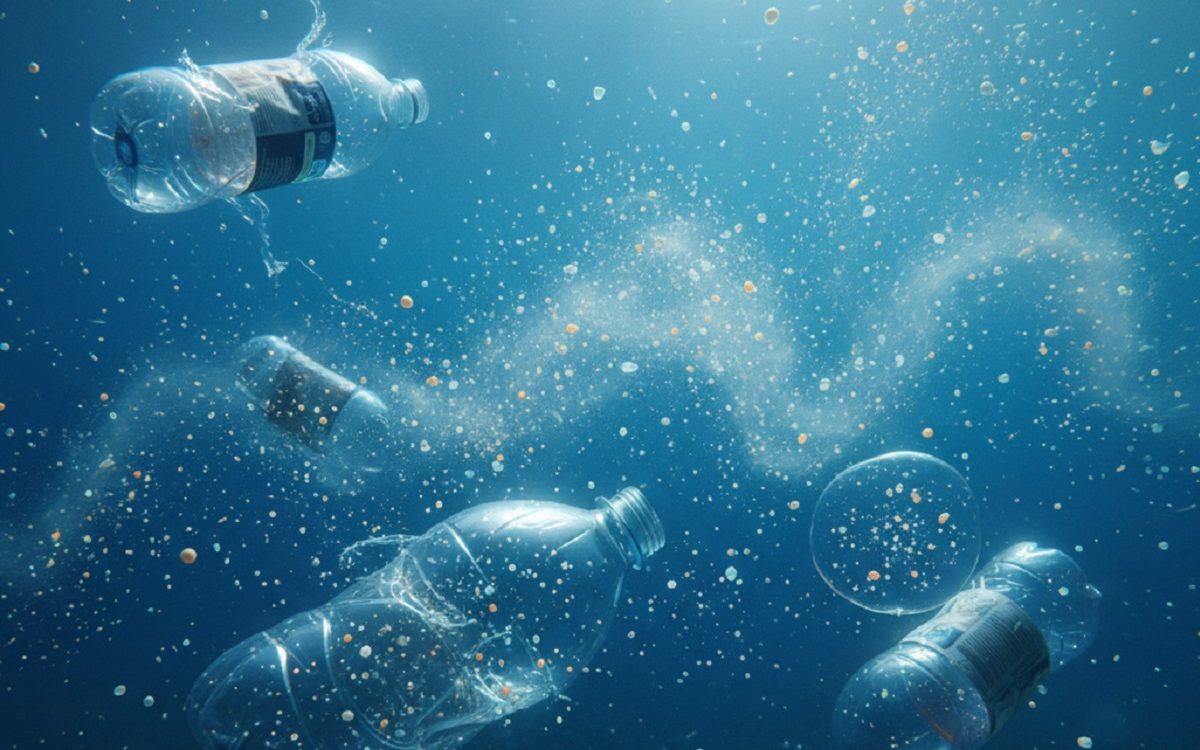
Health impacts of plastic particles in bottled water
Even the idyllic Phi Phi Beach in Thailand, famous as the backdrop of Leonardo DiCaprio’s film “The Beach,” is no longer pristine. Alongside its soft sands and crystal-clear waters, plastic bottles and other waste now accumulate. From this sobering reality came the determination of entrepreneur and researcher Sarah Sajedi, who was struck by the sight of pollution during an Asian vacation.
“Standing there, admiring the stunning view of the Andaman Sea, I looked down and saw all these pieces of plastic at my feet, most of them water bottles,” Sajedi recalls. That moment prompted her to investigate further. Back at her university, she published a scientific paper in the Journal of Hazardous Materials, examining the health risks associated with single-use plastic water bottles.
Nanoplastics in bottled water: tap water is the safer choice
After reviewing over 140 scientific studies on microplastics contaminating bottled water, Sajedi highlighted that humans ingest an average of 39,000 to 52,000 plastic particles each year. Those who drink bottled water consume around 90,000 more particles annually than those who drink from the tap.
These invisible plastics form throughout the life cycle of bottled water: during production, storage, transportation, and decomposition of the plastic containers themselves.
Water in plastic or plastic in water?
Because bottles are often made from low-quality plastics, they release microscopic fragments when handled or exposed to sunlight and temperature changes. Unlike other plastic particles that enter the human body through the food chain, these are ingested directly from the source.
According to Sajedi, and other researchers who share her concerns, the potential health effects are severe. Once inside the body, these tiny particles can cross biological barriers, enter the bloodstream, and reach vital organs.
This can lead to chronic inflammation, oxidative stress, hormonal imbalances, reproductive issues, neurological damage, and even certain types of cancer. However, long-term effects remain poorly understood due to limited testing and the lack of standardized detection methods.
Education is the best prevention
Despite growing concern, few studies have focused on nanoplastics in single-use bottled water or the diverse laboratory conditions under which they should be tested. The number of samples analyzed in existing research is also limited, making it difficult to draw definitive conclusions.
Nevertheless, 2023 and 2024 saw significant progress in detection techniques for quantifying nanoplastics in bottled water. Given these challenges, Sajedi believes “education is the most important action we can take. Drinking from plastic bottles is fine in an emergency, but it should not be part of daily life. People need to understand that the problem is not acute toxicity but chronic toxicity.”