Microplastics in fish, contamination reaches remote Pacific waters
Microplastic contamination has made its way into the fish food chain even in waters long considered pristine. A large-scale analysis of fish caught around Fiji, Tonga, Tuvalu and Vanuatu found that nearly one in three specimens contained traces of microplastics. The situation appears particularly severe in Fiji, where contamination levels were markedly higher. Reef fish and species living near the seafloor emerged as the most exposed to this form of pollution.
What the Pacific study reveals about microplastic exposure in fish
A new scientific study shows that plastic pollution has reached even the coastal waters of the Pacific’s most remote islands. Published in PLOS One, the research reports that almost one third of fish living near Pacific Island Countries and Territories contain microplastics. The study was led by Jasha Dehm of the University of the South Pacific.
According to the researchers, these territories may face especially high exposure to plastic pollution due to rapid urban expansion combined with limited waste and wastewater management capacity. The national disparities identified in the study point to the failure, or in some cases the absence, of effective waste management systems capable of protecting remote island ecosystems.
Many coastal communities across the region rely heavily on fish both for subsistence and as a primary source of income, making the study’s findings particularly alarming from a public health and food security perspective.
Which waters show the highest contamination levels
The analysis examined 878 fish from coastal waters, spanning 138 different species. Fiji recorded the highest contamination levels by far. Nearly 75% of sampled fish contained microplastics, well above the global average of 49%.
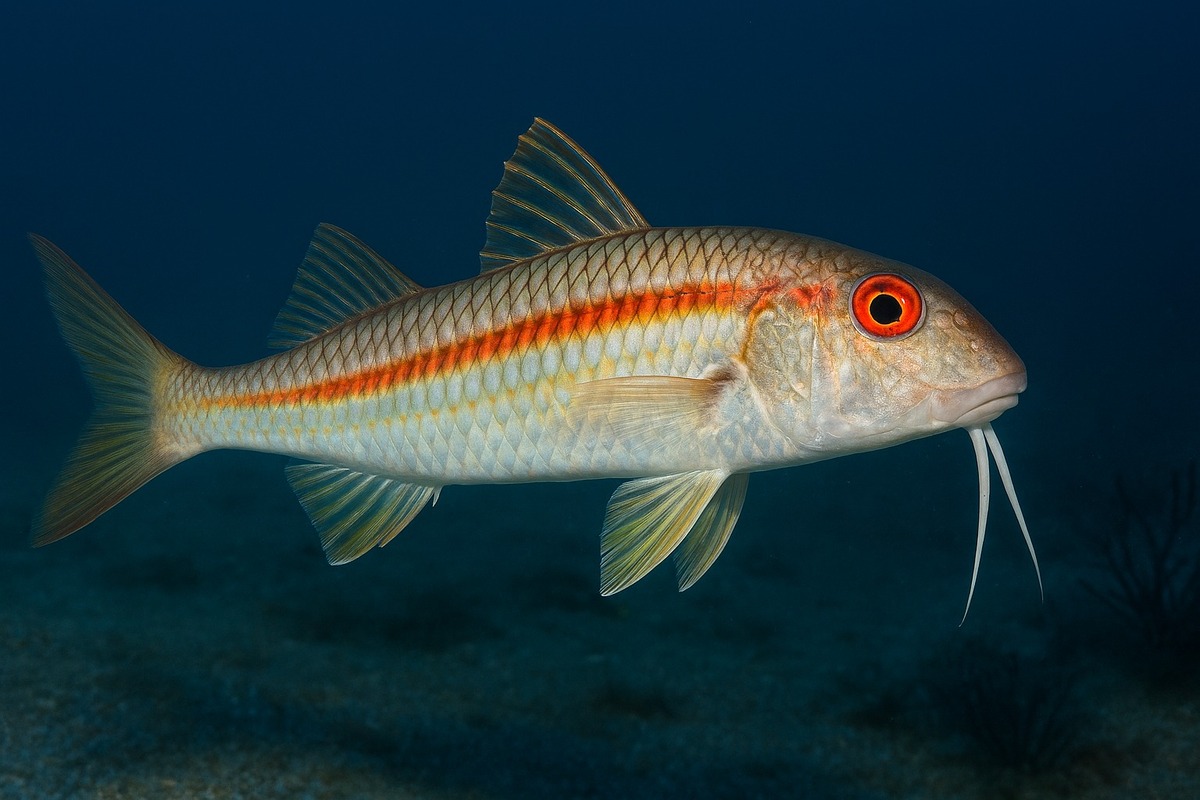
Despite differences among the islands, two species were consistently caught in all four countries included in the study, the emperor fish (Lethrinus harak) and the dash-and-dot goatfish (Parupeneus barberinus). Both species showed higher contamination levels when caught in Fijian waters compared with other locations.
The study also found that fish associated with coral reefs and those living close to the seabed were more likely to contain microplastics than species inhabiting lagoons or open waters. Fish that feed on invertebrates or hunt prey in crevices and burrows showed the highest contamination rates.