
Hawaii is dealing with severe flooding after a slow-moving storm system stalled over the islands, bringing sustained rainfall and triggering evacuations, rescues, and widespread disruption.
In some areas, residents were told to “leave now” as conditions worsened. The Guardian reported the flooding as among the worst the state has seen in more than 20 years.
At the same time, rising water levels at the Wahiawā Dam raised concerns about a possible failure, prompting evacuation orders affecting thousands. Hawaii’s governor, Josh Green, said losses could reach around $1 billion, as floodwaters overwhelmed roads, homes, and public infrastructure.
On Oʻahu’s North Shore, water rose quickly. Roads were submerged, and cars were left stranded as emergency crews moved in to carry out rescues.
According to the Guardian, more than 200 people were rescued from homes and vehicles.
Evacuations were ordered in several areas, particularly downstream of the Wahiawā Dam. Around 5,500 people were urged to leave as a precaution. In other locations, floodwaters overtook residential streets and key roadways with little warning.
The storm was driven by a Kona low system that stalled over the state, drawing in moisture and producing steady rainfall over several days.
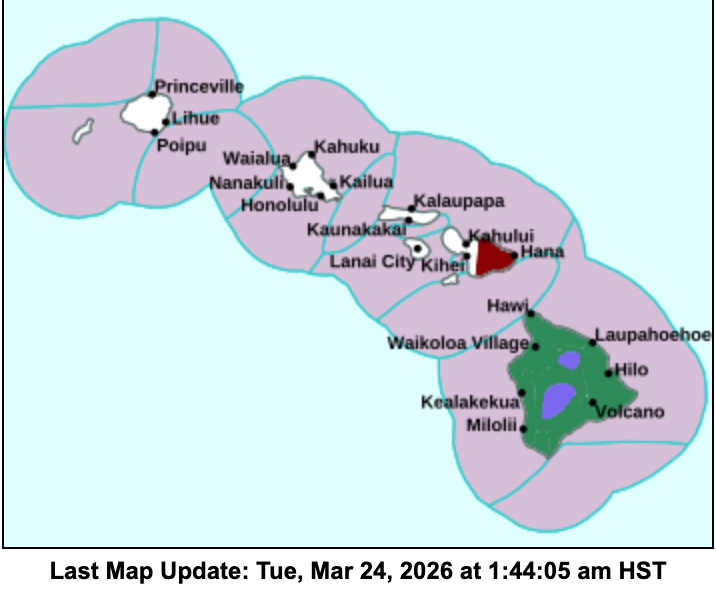
Data from the National Weather Service in Honolulu show how widespread the event was. Recorded totals reached 15 to 25 inches in some areas, with winds up to 100mph (160km/h). On Oʻahu, more than 17 inches fell within six hours at one monitoring site.
Emergency response scaled up
Local authorities and the state’s National Guard expanded emergency response rescue operations as conditions worsened. Rescue teams worked on land and at sea to reach stranded residents, while shelters were opened for those forced to leave their homes.
Conditions were not consistent across the islands. In some areas, water levels rose overnight, limiting response times and forcing rapid adjustments in how crews operated.
Conditions begin to stabilize
By late weekend, conditions began to ease as the storm system weakened. Some evacuation warnings and advisories have since been lifted, although officials continue to warn of ongoing risks in affected areas.
State offices are preparing to reopen, and most public schools have resumed operations. A small number of campuses remain closed due to storm-related damage or access issues. Crews are continuing to assess damage, clear debris, and restore infrastructure.
In a statement, Governor Green highlighted the role of community response during the storm, noting how residents and emergency teams worked together. First responders, healthcare workers, and utility crews were among those recognized for maintaining essential services.
A broader pattern of extreme rainfall
Kona low systems are a regular part of Hawaii’s climate. Events like this, however, put sustained pressure on infrastructure and emergency response systems.
Across the United States, heavy rainfall events have become more intense in recent decades, according to the National Oceanic and Atmospheric Administration. Warmer air can hold more moisture, increasing the potential for high-impact rainfall. In Hawaii, steep terrain can amplify those effects by accelerating runoff.
Outlook
Floodwaters have begun to recede in some areas, but conditions remain unstable. Recovery efforts are underway, while authorities continue to monitor the situation in case additional rainfall leads to renewed flooding. The immediate threat may be easing, but saturated ground and damaged infrastructure are still going to be issues in the days ahead.