A new roadmap for climate tech innovations
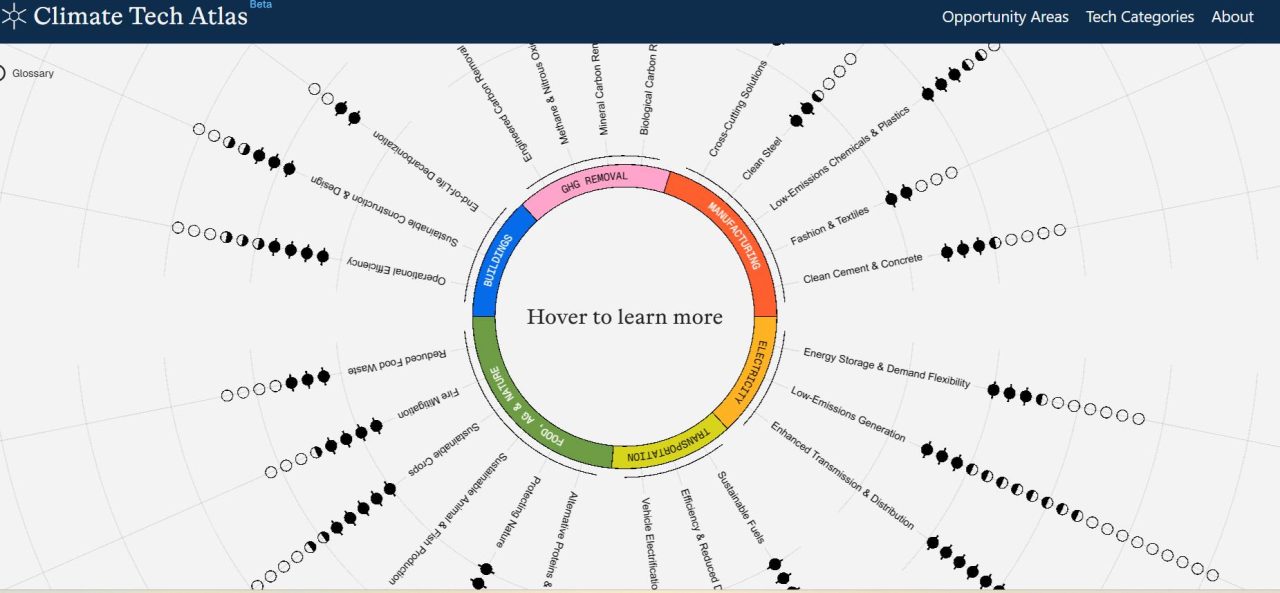
The climate tech sector now has a clear mapping of the most viable innovations to achieve decarbonization. The initiative stems from an interdisciplinary coalition formed in response to the mounting attacks on science and the environment during the Trump era. The coalition, which includes Breakthrough Energy, McKinsey, and Stanford University’s Doerr School of Sustainability, has launched the Climate Tech Atlas.
The atlas was designed to identify the most promising investment opportunities in technologies that can address climate change, while also defining the fundamental innovation imperatives for the energy transition. The launch was first reported by Heatmap News.
Mapping the most scalable solutions
The Climate Tech Atlas aims to spotlight bold and adaptable innovations and to guide major global investments toward climate technologies that are already available, emerging, or yet to be discovered. The mapping is intended to serve as a crucial resource for stakeholders across the sector, channeling their focus toward technologies that the alliance sees as most actionable and scalable for decarbonizing the entire economy.
Other members of the coalition include the nonprofit investor Elemental Excelerator, John Doerr’s Speed & Scale climate initiative, and the think tank Energy Innovation.
Innovation imperatives and moonshots
The platform identifies two categories to accelerate decarbonization: innovation imperatives and moonshots. Innovation imperatives are critical pathways to reach net zero faster, focusing on near-term deployment. Moonshots, on the other hand, represent high-risk, high-reward innovations.
While these moonshots require longer timelines, they could potentially transform the trajectory toward net zero. According to the Climate Tech Atlas, the platform highlights more than 60 innovation imperatives and 39 moonshots across 24 opportunity areas in six major sectors: buildings, manufacturing, transportation, agriculture and nature, food, electricity, and greenhouse gas removal.