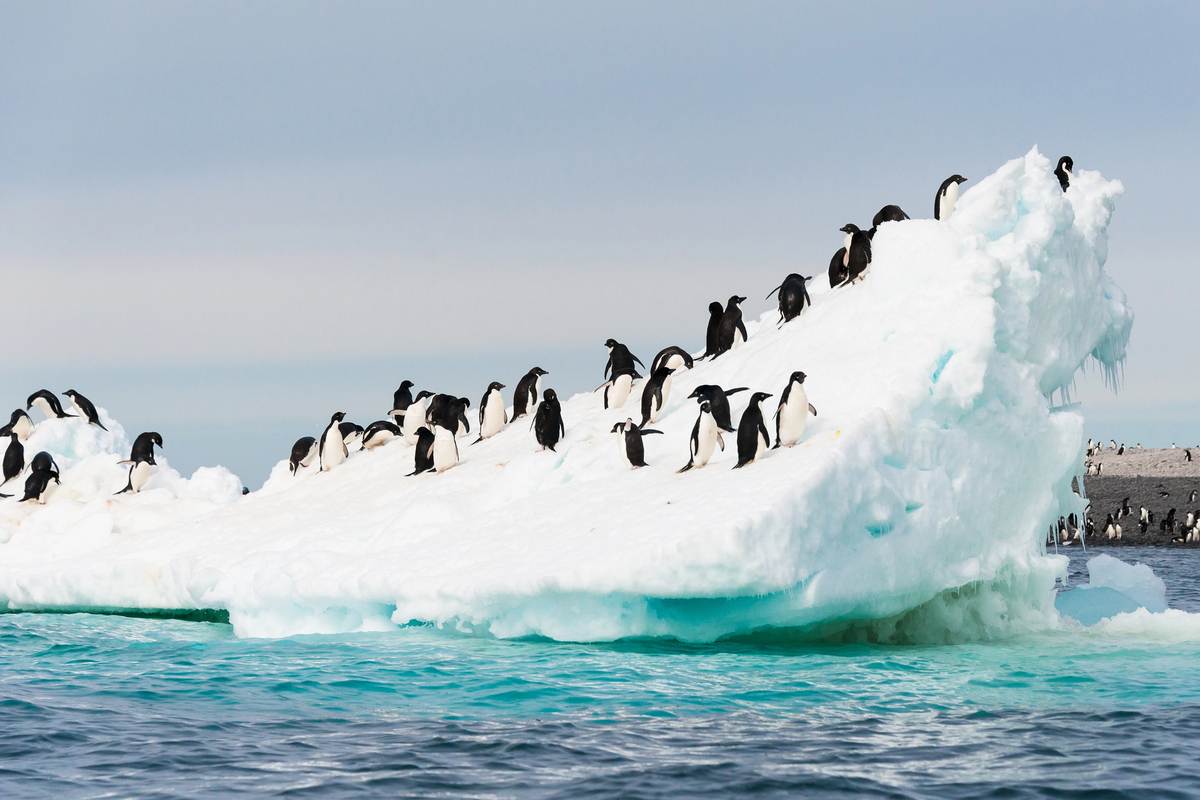
Antarctic Peninsula warming under 2°C global target
The Antarctic Peninsula is warming at an accelerated pace. A new study assesses how the region is likely to evolve under current climate conditions and across low, medium-high and very high future emissions scenarios, each aligned with different levels of global temperature rise by 2100. The findings underscore the urgency of limiting global warming to below 2°C, and as close as possible to 1.5°C, to minimize damage to the Antarctic Peninsula’s unique ecosystem.
Rapid warming and visible climate impacts
The region is already experiencing clear consequences of climate change, including more frequent extreme heat events, rising precipitation and a shift toward more rainfall instead of snow, increased surface melt, shrinking sea ice extent and the collapse of ice shelves.
The Antarctic Peninsula is warming faster than the global average and has already surpassed 1.5°C above preindustrial temperatures. This level of warming puts endemic species under growing stress, increases the likelihood of potentially irreversible changes and complicates polar logistics and research operations.
High emissions amplify risks for ice and oceans
Higher emissions are projected to drive more days with temperatures above 0°C, greater rainfall, continued ocean warming and more intense extreme weather events such as marine heatwaves and atmospheric rivers. Surface melting on ice shelves is expected to intensify, promoting the formation of meltwater ponds that can destabilize ice structures.
According to the study, even under a low-emissions pathway consistent with keeping global warming below 2°C, the Antarctic Peninsula would still warm by 2.28°C by the end of the century. Under high-emissions futures, regional temperatures could rise by more than 5°C.
Impacts of high- and low-emissions scenarios
In high and very high emissions scenarios, the Antarctic Peninsula could reach temperatures 5.22°C and 6.10°C above preindustrial levels, respectively.
Under the highest emissions pathway, aligned with a 4.4°C increase in global temperature, the collapse of the Larsen C and Wilkins ice shelves is considered likely by 2100. Continued loss of sea ice and surrounding ice shelves would accelerate mass loss from land-based ice. In the longer term, the potential collapse of the George VI ice shelf by 2300 would significantly increase the region’s contribution to global sea level rise.
In the low-emissions scenario, researchers project warming of 2.28°C relative to preindustrial levels, roughly 0.55°C above current warming. The study shows that the western side of the Antarctic Peninsula is expected to see the most significant declines in sea ice concentration during the winter months of June, July and August. By contrast, during the austral summer, the eastern side is projected to experience the greatest reductions. Sea ice contraction also reduces habitat for krill, the primary food source for penguins and a cornerstone of the regional food web.
The study was published in Frontiers in Environmental Science.