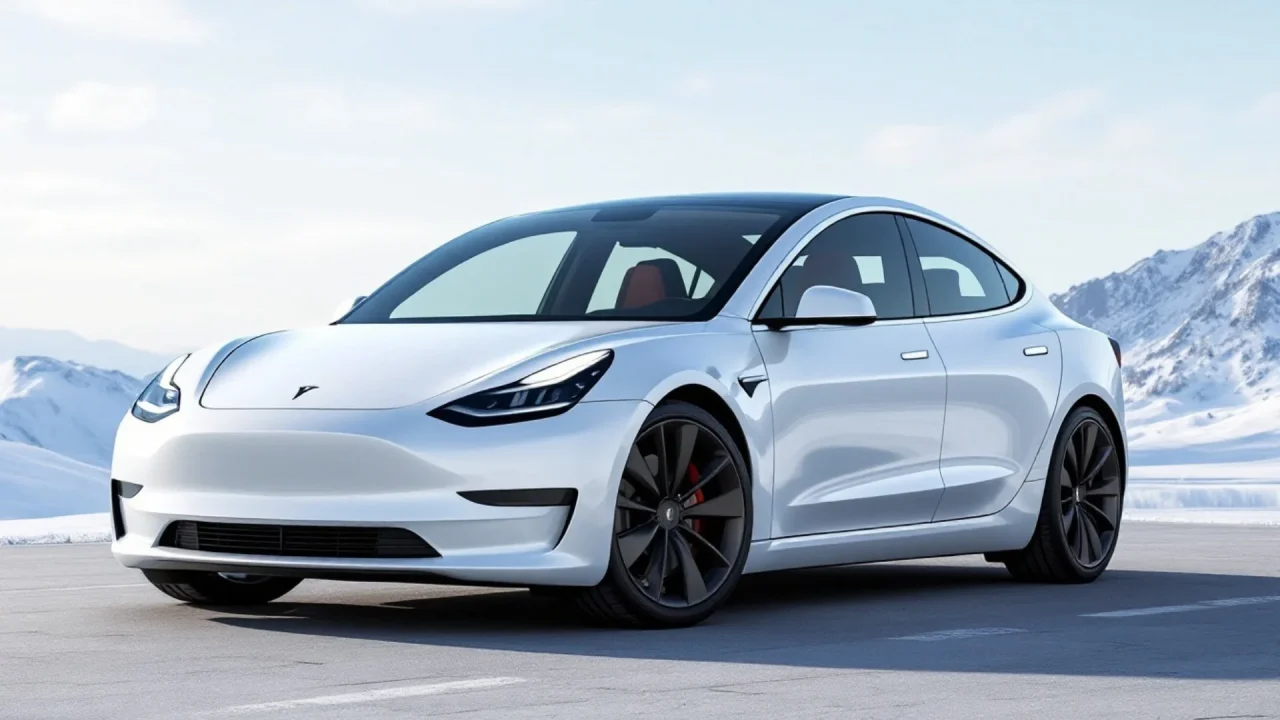
13,000 Tesla vehicles with defective batteries
Tesla has announced the recall of approximately 13,000 recently produced electric vehicles in the United States after identifying a defective battery connection. The malfunction can cause a sudden loss of power while accelerating, increasing the risk of accidents.
The recall involves nearly 8,000 Model Y SUVs and just over 5,000 Model 3 sedans manufactured between March and August of this year. The automaker has received 36 warranty claims and 26 reports related to the issue, though no crashes, injuries, or fatalities have been reported. Following the announcement, Tesla’s stock dropped nearly 1% on Wall Street.
Not the first recall for Tesla
This is not the first time Tesla has faced such issues. In January 2025, the company recalled several vehicles due to a malfunctioning camera system, followed by problems with the power steering in Model 3 and Model Y vehicles. These defects were especially noticeable at low speeds, often requiring excessive steering effort during maneuvers.
Tesla Model 3 reliability concerns in Denmark and Germany
Recent data from Denmark and Germany has revealed serious concerns regarding the quality and reliability of Tesla Model 3, particularly in older units registered in 2020. In Denmark, 1,392 defects were reported among 2020-registered Model 3 vehicles, nearly three times higher than the average rate for electric vehicles from other manufacturers. The most frequent issues involved lighting, braking, steering, and suspension systems.
In 2024, Denmark’s road traffic authority ordered inspections on 4,668 Tesla Model 3 units. Of those, 1,051 failed the test, resulting in a defect rate of 23%, compared to just 9% for competing BEVs.
Similar concerns have emerged in Germany, where TÜV, the national certification agency, identified comparable defects, lights, brakes, steering, and suspension, among Tesla Model 3 vehicles on the market. The Model 3 ranked last in TÜV’s reliability studies in both 2023 and 2024.