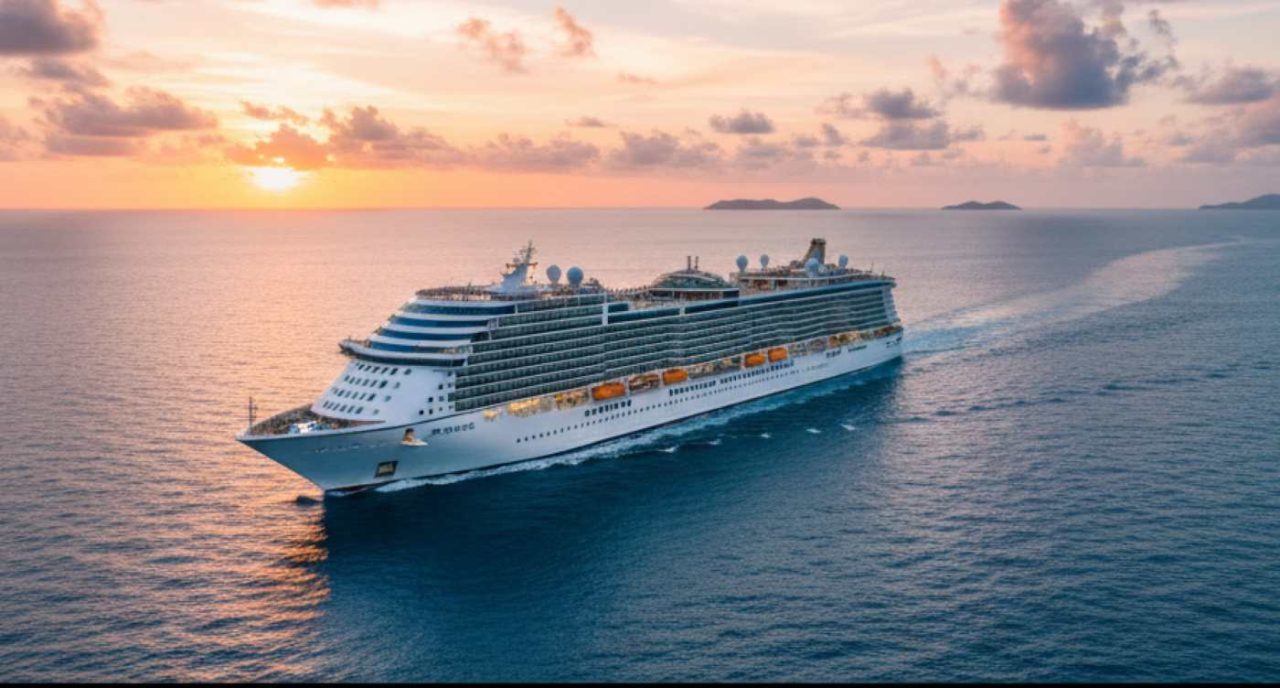
Fuel cells for cruise ships: greater efficiency, lower impact
Fuel cells for cruise ships can reduce LNG consumption by up to 20% compared to traditional generators and achieve overall efficiency of 60%. This is the finding of a study published in Energies by ENEA, in collaboration with Sapienza University of Rome, focused on designing innovative energy systems for large vessels exceeding 100,000 tons.
The research shows that integrating solid oxide fuel cell (SOFC) technology powered by LNG could provide a concrete solution for powering onboard systems, such as air conditioning, lighting, and refrigeration, while helping reduce ship emissions and accelerate maritime decarbonization.
1 MW of power: ENEA compares two systems
The ENEA study analyzed a 1 MW system, comparing a conventional LNG diesel generator with an SOFC fuel cell. The results show that to produce the same energy, the traditional generator consumes 331.5 liters of LNG per hour, while the fuel cell system requires only 287 liters.
In addition to fuel savings, fuel cells for cruise ships ensure longer operational autonomy for the same tank volume, smaller footprint, and zero emissions of particulate matter, nitrogen oxides, and sulfur oxides. Thanks to electrochemical power generation, CO₂ emissions are also significantly reduced.
Although the initial investment remains higher, up to six times the cost of conventional generators, annual operating expenses are lower due to reduced LNG consumption and minimal maintenance.
LNG and SOFC cells: 40–60 MW for onboard systems
The SOFC system uses LNG as fuel, already common on next-generation cruise ships. This allows for a gradual transition that leverages existing refueling infrastructure.
Its main advantage lies in efficiency: 60% versus 40% for traditional engines, cutting fuel demand and freeing up space otherwise used for tanks. Environmental impact is also minimized while docked, as ships can power onboard systems without using main engines, reducing port pollution.
The ENEA–Sapienza project aligns with European initiatives such as FuelEU Maritime, part of the Fit for 55 package, which targets a 50% emission reduction by 2030 and 90% by 2050, promoting alternative fuels and zero-emission systems across the maritime sector.
Fuel cells for cruise ships prove more reliable than diesel
Operationally, fuel cells for cruise ships also offer higher reliability than diesel generators. ENEA and Sapienza found that the SOFC system, with modular components and no moving parts, can achieve up to 70,000 operating hours with minimal maintenance.
The reliability analysis indicates a Mean Time Between Failures (MTBF) of about five years for fuel cells, compared with only 0.4 years for conventional generators. Each module can be replaced quickly without interrupting power generation, minimizing downtime and operational risk. Furthermore, distributing systems across multiple “fire zones” improves weight balance and safety in emergencies.
Investment between €1.5–3 million with a nine-year return
According to ENEA researchers, investment payback becomes advantageous after nine years of operation, assuming lower capital costs (around €1,500/kW) and extended module lifespan. However, rising fossil fuel prices and large-scale production could rapidly increase the competitiveness of fuel cells.
ENEA foresees further development by combining SOFC technology with PEM (proton exchange membrane) fuel cells powered by pure hydrogen to create hybrid systems capable of variable power output and greater operational flexibility.
In the long term, integrating fuel cells into onboard energy systems could extend to propulsion, moving the cruise industry closer to zero-emission goals and aligning it with the European Union’s climate objectives.
Toward zero-emission cruising with lower maintenance costs
The study concludes that fuel cell use in cruise ships is already technically feasible and could transform maritime energy efficiency. Large-scale adoption will require incentive policies and lower production costs, but the benefits are clear: reduced emissions, improved reliability, longer autonomy, and lower maintenance expenses.
As ENEA researcher Manlio Pasquali notes, “Current LNG-powered ships could, with minimal modifications, drastically reduce emissions using high-temperature fuel cells to supply onboard electrical services.”