A historic step for BMW and hydrogen
A historic moment? It might not be an exaggeration to call it that. At BMW Group’s Leipzig plant in Germany, the company is developing the world’s first automotive facility to receive hydrogen directly through a pipeline. The project involves a new two-kilometer connecting line, built by partner MITNETZ GAS, and will include a pressure-control and metering system. Once completed, it will link the plant to Germany’s central hydrogen network by mid-2027. For the German automaker, this marks a turning point in its industrial decarbonization strategy and strengthens its commitment to hydrogen research and technology.
Hydrogen supply at BMW: cleaner and safer
With the new hydrogen infrastructure at BMW’s Leipzig plant, truck deliveries of gas cylinders will no longer be needed, cutting CO₂ emissions and improving logistical safety. The two-kilometer connection pipeline, developed with partner MITNETZ GAS, will include a pressure and flow control system and link the factory to Germany’s central hydrogen network by mid-2027.
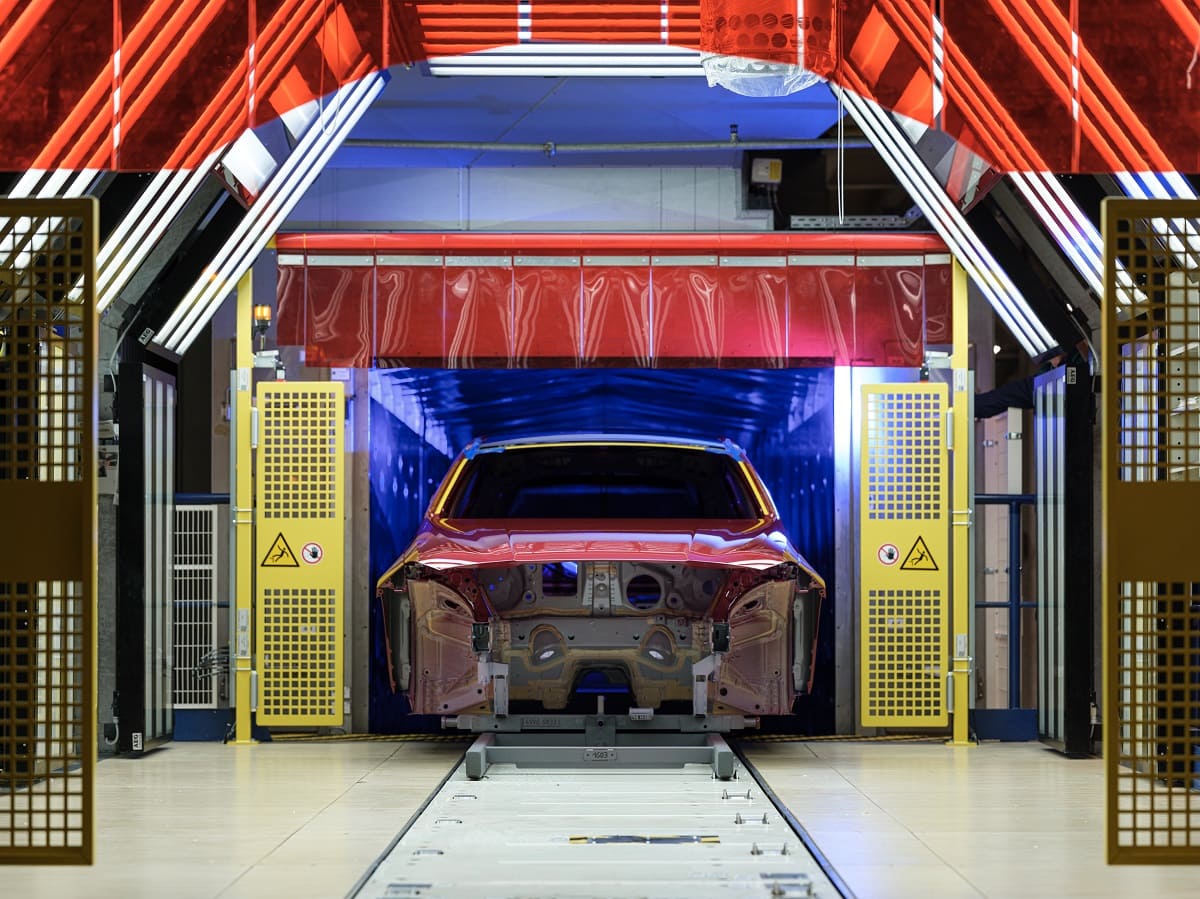
“Thanks to the pipeline supply, we can use hydrogen in completely new ways, especially for our most energy-intensive processes, such as paint shop drying ovens,” said Petra Peterhänsel, Director of BMW Group’s Leipzig plant. Hydrogen is increasingly becoming a strategic energy source for high-consumption industrial operations, aligned with Europe’s climate neutrality goals for 2050.
BMW and continuous hydrogen innovation
BMW’s relationship with hydrogen is long-standing. The company is among the few automakers investing heavily in hydrogen propulsion as an alternative to fossil fuels, including industrial platforms for vehicles like the new X5. In 2022, BMW introduced the world’s first flexible hydrogen burner for the automotive sector, integrated into its paint shop. Today, the plant operates eleven dual-fuel burners capable of running on both natural gas and hydrogen, enhancing flexibility and sharply reducing emissions.
But the revolution began even earlier. Since 2013, BMW Leipzig has used hydrogen-powered forklifts and tow tractors. The site now operates more than 230 fuel-cell logistics vehicles, refueled at nine on-site stations, Europe’s largest intralogistics hydrogen fleet.
Germany’s expanding hydrogen network
Germany’s national hydrogen core network, promoted by the federal government, plans about 9,000 kilometers of dedicated pipelines by 2032. This infrastructure will connect key industrial hubs across the country, establishing an interregional hydrogen ecosystem.
The initiative aligns with Europe’s broader H₂-ready strategy, where mobility, industry, and energy generation converge toward systems powered by renewable hydrogen.
BMW Leipzig: a laboratory for sustainable mobility
With this milestone, BMW strengthens its leadership in the energy transition. The Leipzig facility, already renowned for producing electric vehicles such as the BMW i3 and the electric Mini Countryman, is now becoming a hub for hydrogen-based industrial innovation.
This development reflects BMW’s vision of a zero-emission value chain, where innovation, efficiency, and sustainability merge into one purpose: making the mobility of the future truly impact-free.