Trump’s influence on energy projects worries investors
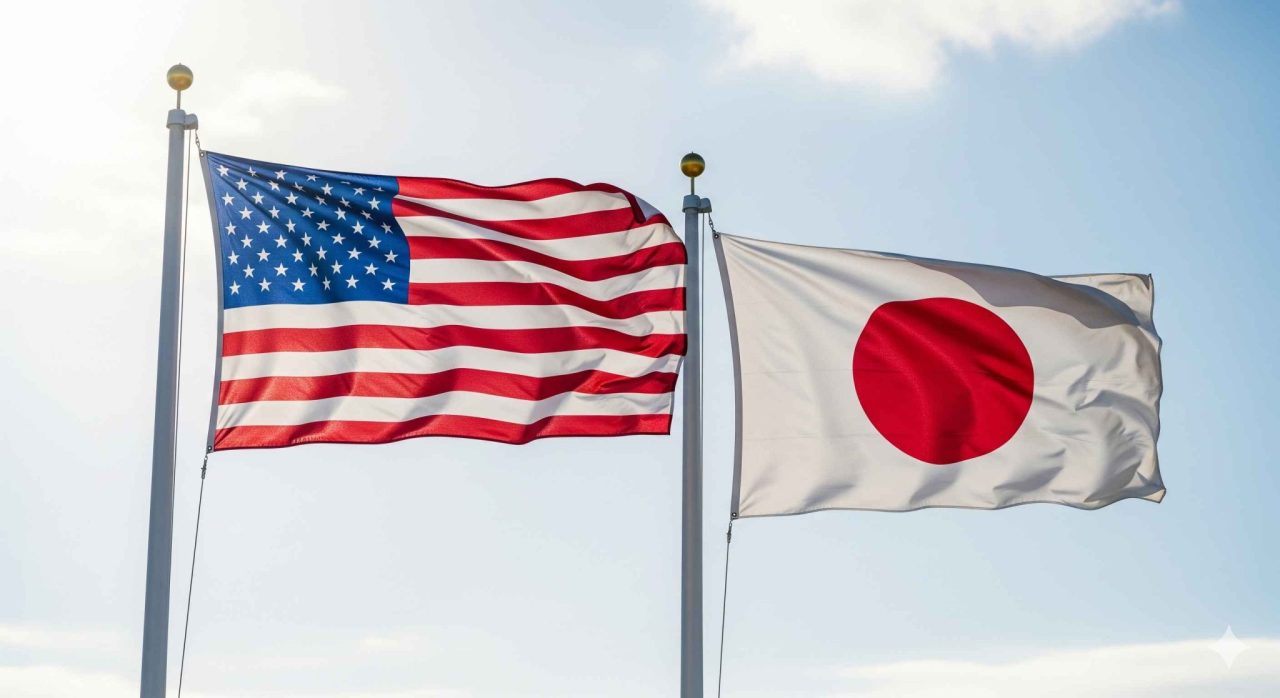
The US-Japan LNG cooperation is subject to Trump’s moods, leaving Japanese investors concerned about the cost and reliability of supply. According to an exclusive report by Reuters, Tokyo has tasked consultancy firm Wood Mackenzie with assessing the feasibility of a $44 billion gas pipeline and extraction facility in Alaska. The US president has heavily promoted the project, but his optimism has failed to convince many Japanese officials and energy leaders, who fear the initiative could make gas imports more expensive compared with other sources.
The memorandum of understanding between Tokyo and Washington
After lengthy negotiations, Japan secured a reduction in US auto tariffs in July. In return, Tokyo pledged $550 billion in investments across multiple sectors, including energy, on projects selected by Trump. The memorandum of understanding signed last week allows the US president to choose which projects receive Japanese funding. On the same day, Trump also signed an executive order cutting tariffs on Japanese cars.
“The president has complete discretion over where these investments go,” US Commerce Secretary Howard Lutnick told CNBC. The preferred destination for Japanese funds is the Alaska pipeline project. The memorandum also states that the US may raise tariffs if Japan fails to deliver on its promised investments, making the deal highly dependent on the White House’s political climate. While an investment committee is supposed to direct projects toward Japanese firms, Tokyo is unlikely to withdraw from its commitments.
Why the Alaska LNG project matters
US officials argue the Alaska project offers strategic advantages. Its proximity to Japan makes supply routes shorter and more secure than those from the Middle East, avoiding chokepoints such as the Strait of Hormuz, the Strait of Malacca, and contested waters in the South China Sea.
During a speech to Congress in March, Trump claimed that Japan and South Korea were willing to invest “trillions of dollars each” in Alaska LNG. Officials in Tokyo and Seoul were reportedly startled by the statement.
Japan currently imports about 10% of its LNG from the United States, with similar volumes coming from Russia and the Middle East, while roughly 40% arrives from Australia, according to Japan’s Ministry of Finance.
Searching for investors
Wood Mackenzie has conducted three studies on the Alaska LNG project over the past decade. A 2016 analysis found it less competitive compared with rival suppliers to Asian markets. A 2022 review, considering new financing models and cost reductions, painted a more favorable picture. The challenge for Japan today is finding private-sector buyers willing to commit to long-term purchase agreements for Alaskan LNG, aligning with the government’s promises.
Talks are currently underway with JERA, Japan’s largest LNG buyer, as well as Tokyo Gas, Osaka Gas, and Mitsubishi Corp.
It is worth noting that the memorandum of understanding is not legally binding. By contrast, the bilateral trade agreement that entered into force in 2020 was legally enforceable and ratified by the Japanese parliament. Yet the Trump administration withdrew from it and raised tariffs, violating prior commitments. This history explains why hesitation persists among Japanese investors. “We do not know what will happen under a Trump administration,” a senior economic official told Nikkei.
Read also: “Japan’s breakthrough makes energy piles viable for urban geothermal systems“