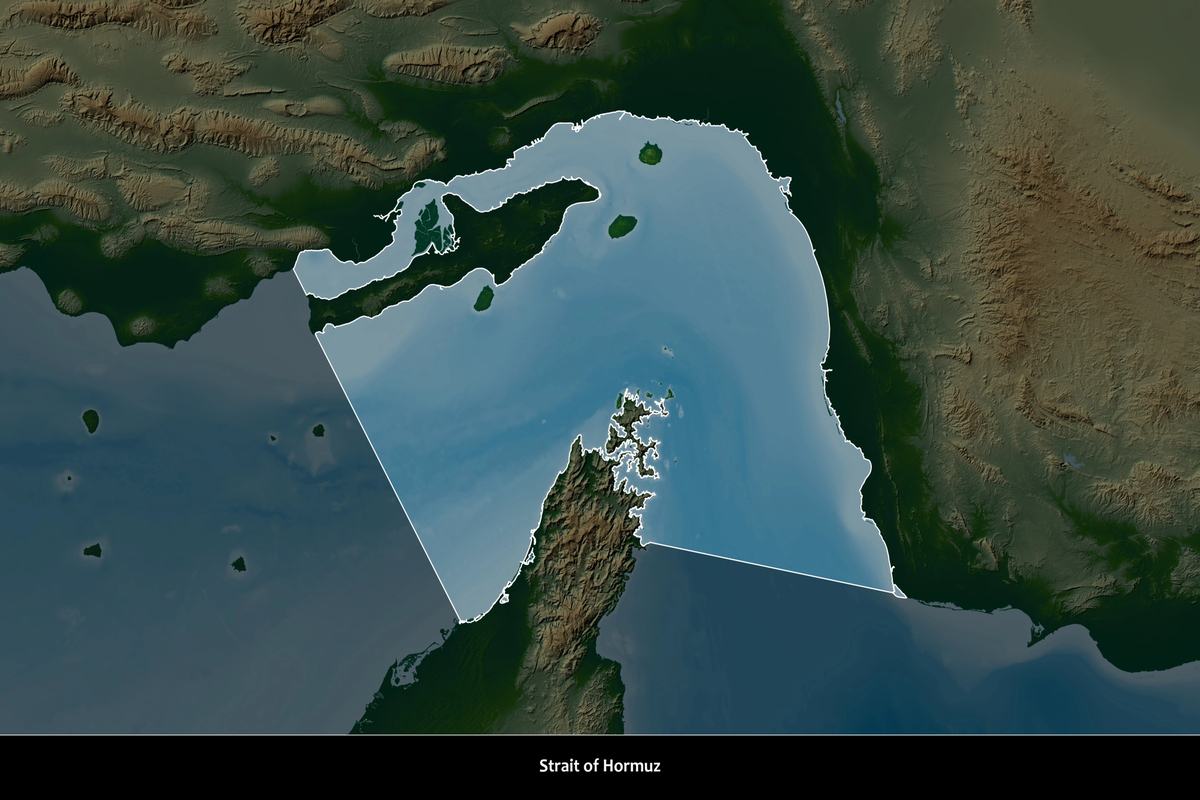
Traffic through the Strait of Hormuz has become virtually impossible. In recent days, six tankers carrying Iranian crude have been forced to turn back due to the U.S. naval blockade. Vessel tracking data highlights the scale of disruption caused by the war in Iran along one of the world’s most critical oil export routes.
Two weeks ago, former President Donald Trump ordered a naval blockade targeting vessels linked to Iran. In response, Tehran has deployed its so-called “mosquito fleet,” small armed patrol boats designed to obstruct passage. Both the United States and Iran are now vying for control of Hormuz, resulting in near-zero traffic and volatile oil prices, while diplomatic efforts to end the conflict remain stalled.
Before the outbreak of hostilities in the Middle East, between 125 and 140 ships crossed the strait daily. According to vessel tracking data from Kpler and satellite analysis by SynMax, reported by Reuters and updated as of April 27, only seven vessels managed the passage in a single day, none carrying oil destined for global markets. The six tankers recently forced back to Iranian ports were transporting approximately 10.5 million barrels of crude, based on satellite estimates from TankerTrackers.com.
Hormuz strait crisis fuels uncertainty in global shipping
The U.S. naval blockade is extending the timeline for any resolution, while Iran has intensified efforts to obstruct transit. Hundreds of vessels and nearly 20,000 seafarers remain stranded in the Gulf.
“What the United States is doing appears to have expanded the risk zone for ships,” Rajalingam Subramaniam, chief executive of Fleet Management Limited, told Bloomberg. The company has more than 400 seafarers trapped in the Persian Gulf. “This show of force has effectively generated greater uncertainty,” he added.
Gulf crude output drops 57%
Crude oil production across Persian Gulf nations is already down by 57% compared with pre-war levels, according to analysts at Goldman Sachs, including Daan Struyven, cited by Bloomberg. A return to pre-conflict output could take months, even if the Strait of Hormuz were fully reopened and no further attacks occurred.
A sharp destruction of demand is already emerging in gas markets, while fertilizer shortages are expected to significantly impact food production and prices for the remainder of the year, and possibly beyond.
A new normal for oil prices?
One scenario gaining traction is that today’s elevated oil prices may become the new baseline. Suvro Sarkar of DBS Bank told Reuters that the situation could evolve from de-escalation into a prolonged ceasefire limbo, with oil prices fluctuating between $100 and $125 per barrel.
“Without an immediate agreement, and with an indefinite ceasefire that offers no clarity on reopening the strait, oil prices will continue trending upward as physical markets align with paper markets. Ultimately, financial markets may begin to normalize the war. This would result in lower volatility, but at a structurally higher price level.”